Saturday, September 14, 2019

Grandboys

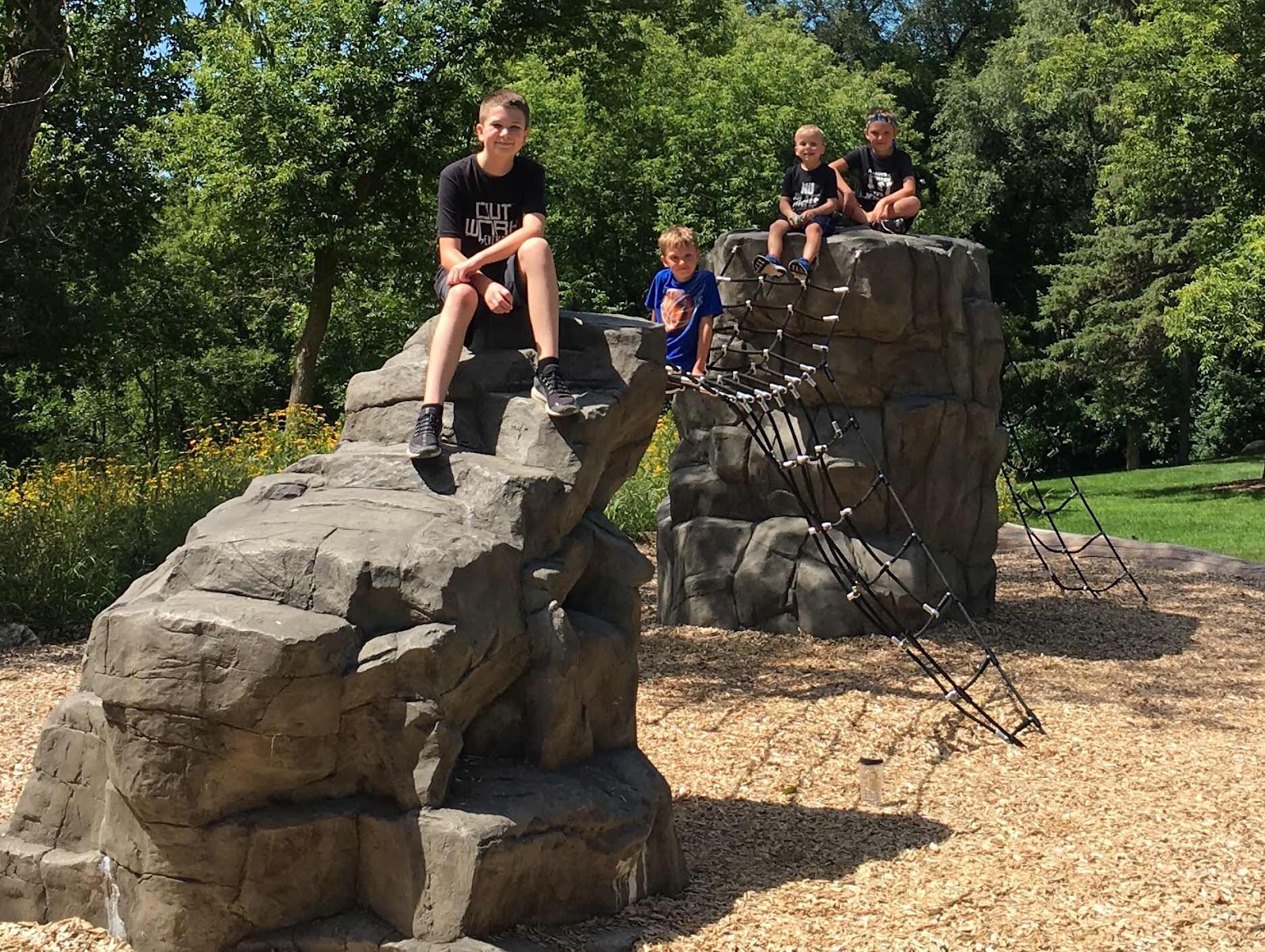
  I have a few more photos to share with you from my trip home to Minnesota a few weeks ago.  I realized I had shown a number of Mason, the youngest, (because he was the one home all the time I was there) and none of the older boys.  So ...


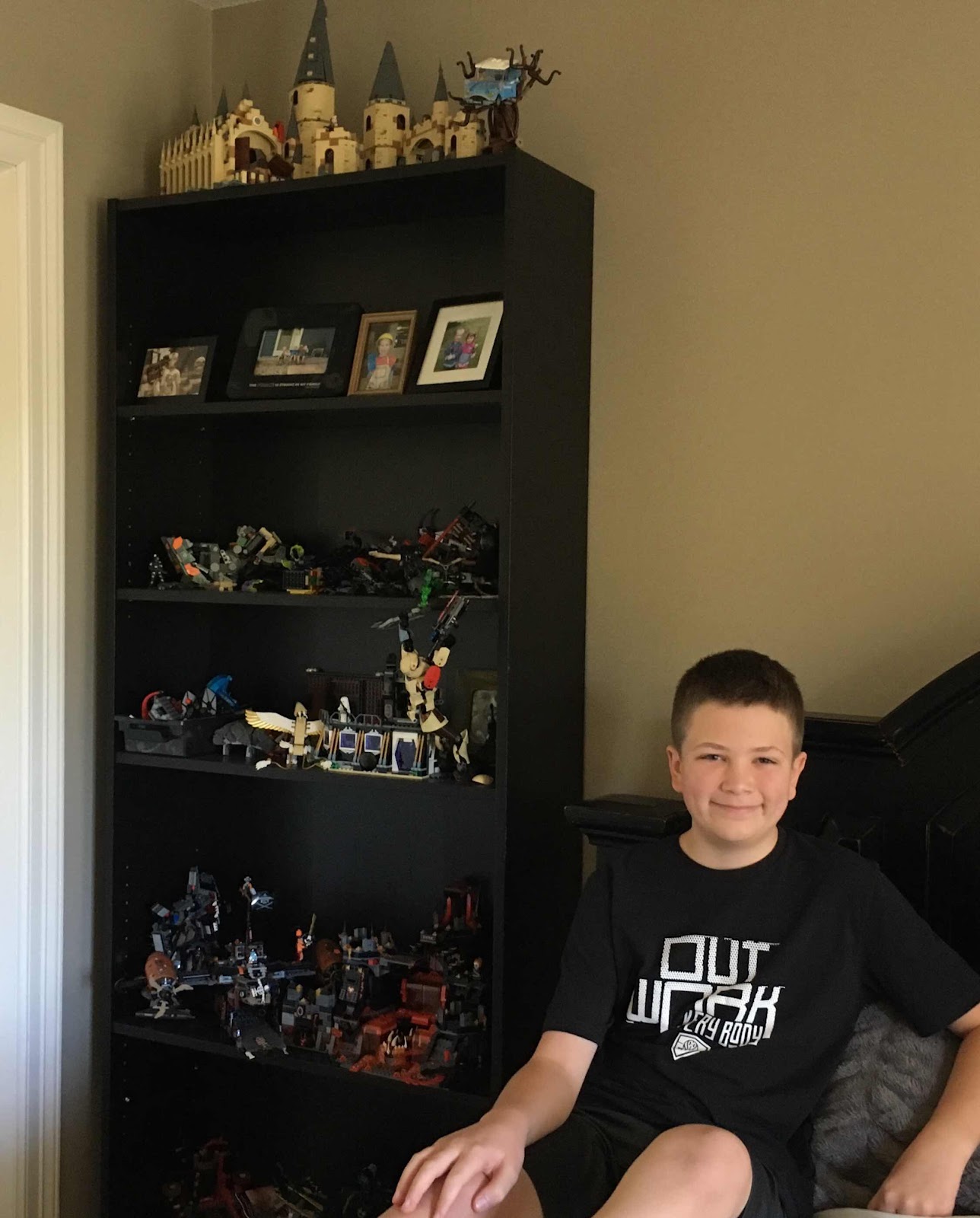
  This is Lincoln, the oldest, who will be 11 in a few days (we are birthday twins — just a few years difference!).  He loves Legos and has been making intricate creations since long before he could read the instructions himself.  His favorite is the one at the top of the bookcase — Hogwarts Castle from Harry Potter.  He plays on football and basketball teams.


The middle two boys are twins, age 10.


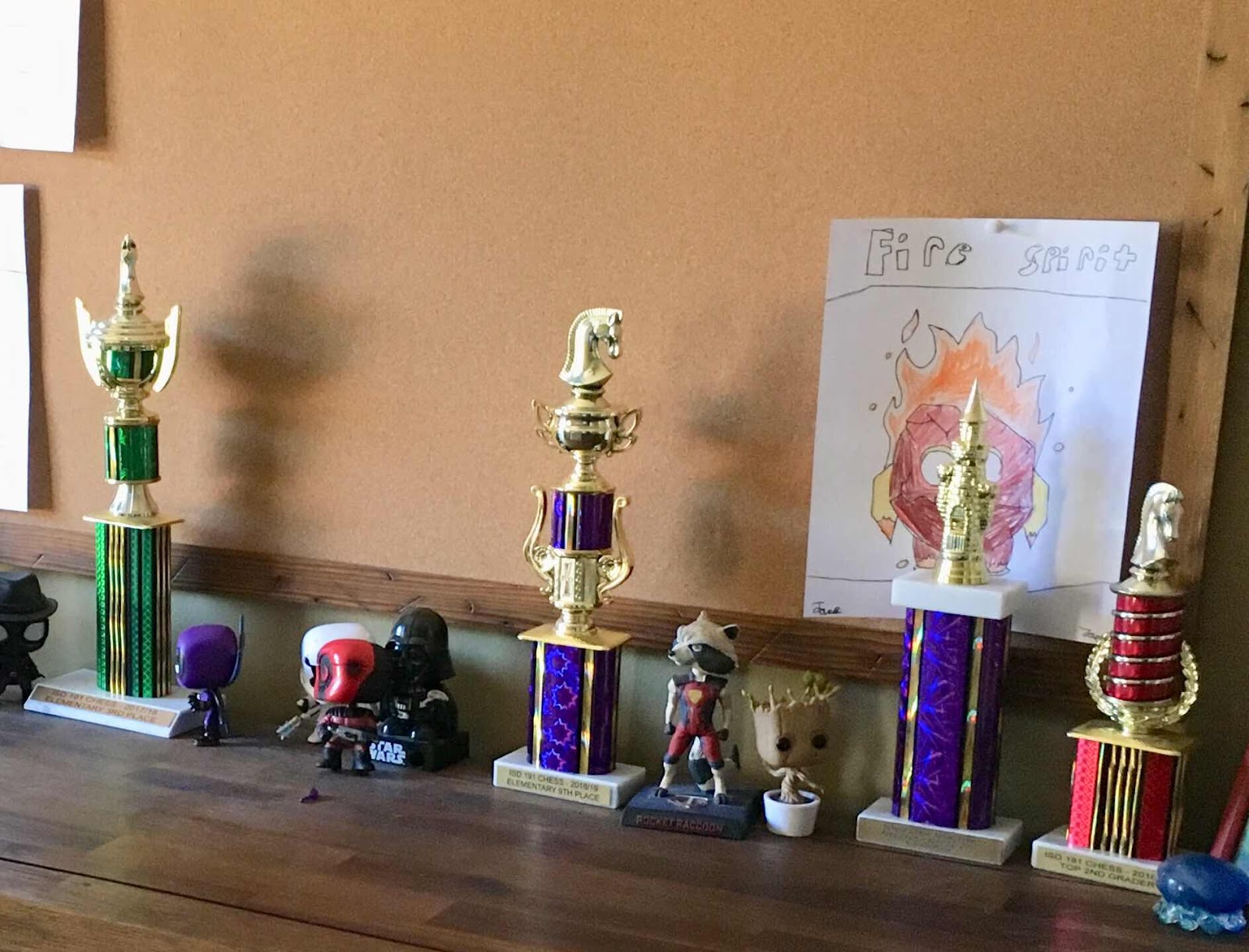
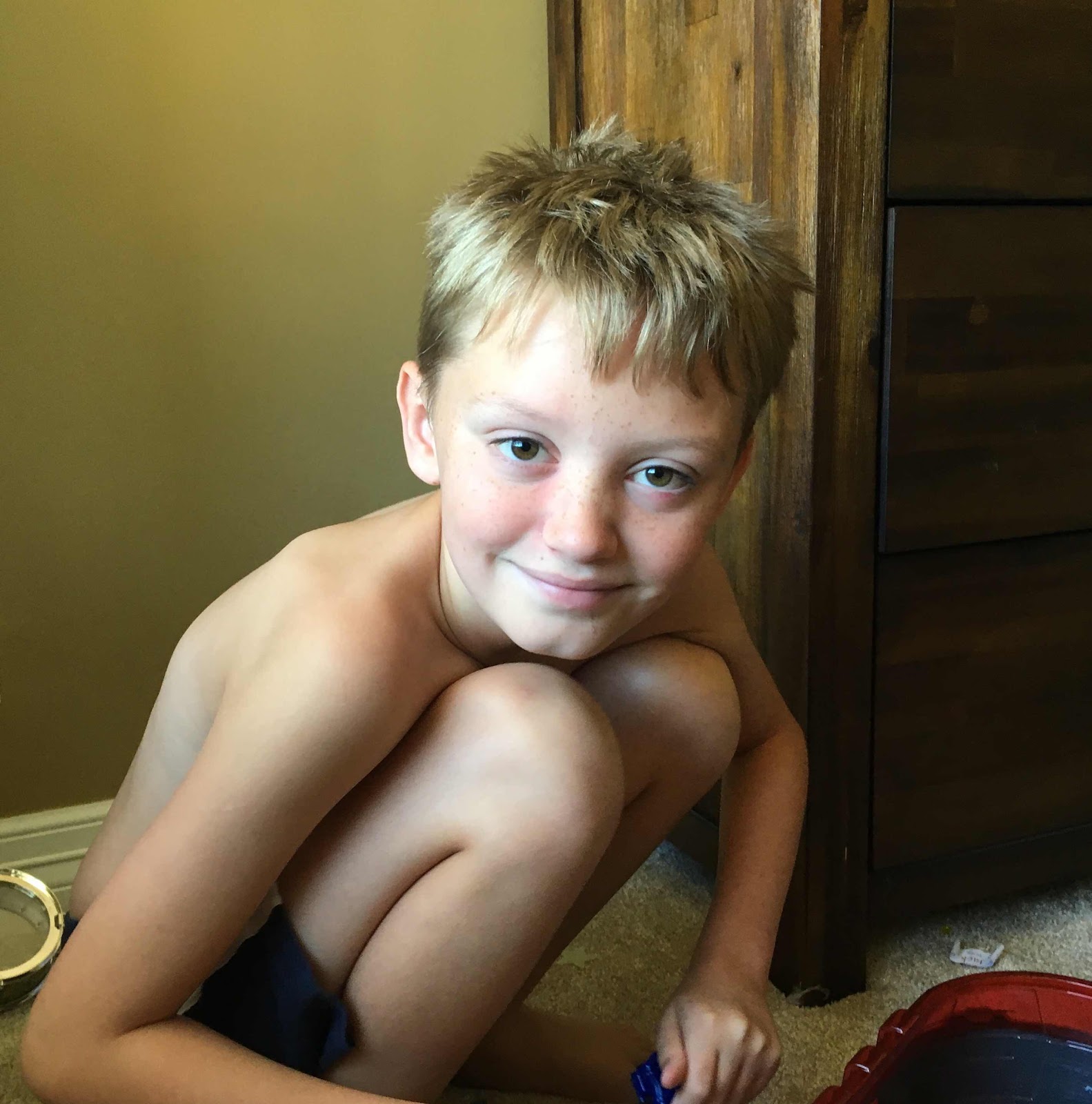
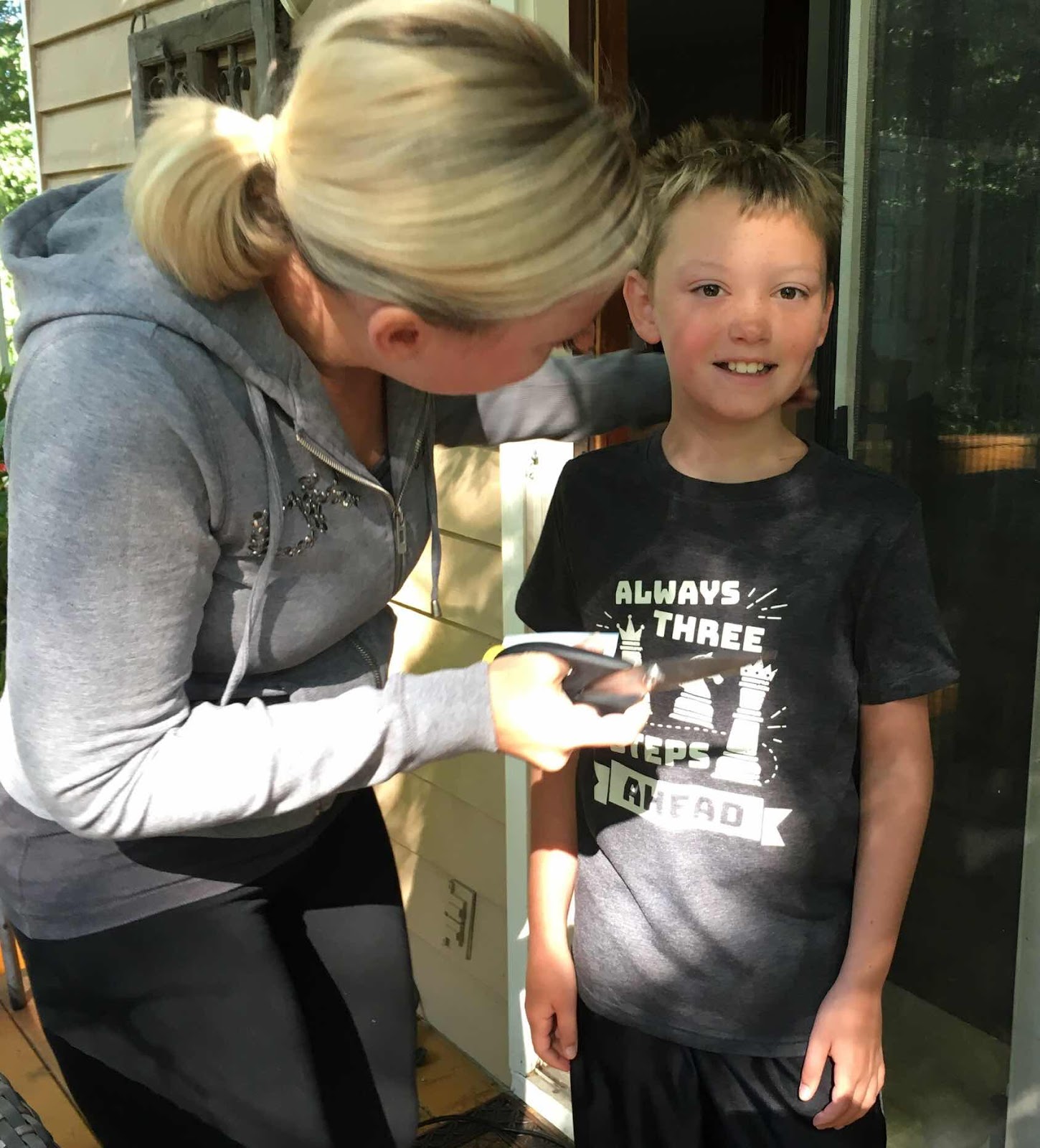
Jack is in the chess club at his elementary school and plays in chess tournaments in the city and state.  My daughter and I were shopping for some school clothes and spotted this chess-themed t-shirt, which says, “Always Three Steps Ahead”.  That’s Jack.  (He  loved the shirt!)


Aiden plays chess with the school club and has some trophies too but his “thing” at the moment is soccer.  He’s playing on his first traveling team this fall after playing on rec teams since he was four. 


    When I lived in Minnesota I was their day care person from the time the twins and Mason were born.  They are dear, sweet boys and I sure miss seeing them every day!

Saturday, September 7, 2019

Goodbye and Good Riddance, Dorian!

  Just wanted to let everyone know that we safely rode out Hurricane Dorian at home and are okay.  And on the second day after, things are getting back to normal.  Everyone in the county has electricity except “two homes”, according to the news this morning, leaving me wondering who these unfortunate souls are!   

  This morning downed trees, water, and sand have been removed from roads, the post office reopened, and grocery stores are getting restocked with produce. 

Our fridge was pretty empty and we were happy to be able to get out to shop today.


  Wind gusts on the bay during the hurricane were 84 mph but “only” 77 mph where our house sits.  Although similar to Matthew (2016), there is far less damage from Dorian and we had our electricity back completely in less than 24 hours.  I think the county and city have had so much practice, they have this hurricane thing pretty much down now after four in a row — Matthew (2016), then Irma (2017), Florence (2018), and now Dorian.  


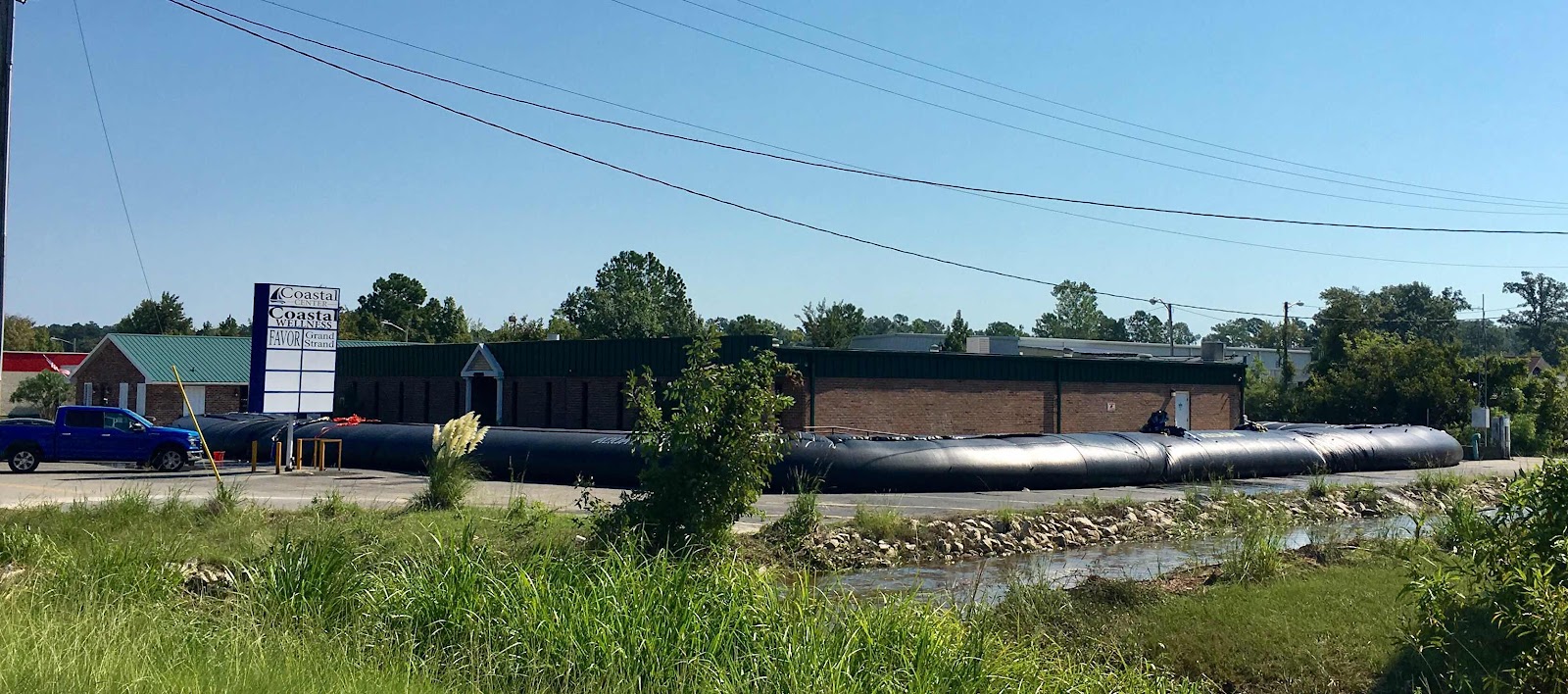
  On our way home from the store today we passed this uniquely protected business and started joking about the conversation that might have gone on between the two men you can barely see standing behind the black tube.  
 The day before Dorian: “Harold, this will the fourth hurricane in as many years we are gonna have to clean up the water and mold mess left behind. I’m not doing it.  We are gonna go out and buy our own dam!”
  The day after Dorian: “Well, Jim, you were right.  No water in our building. But now what are we gonna do with all the water inside this thing?  Any ideas how we’re gonna roll it up and where we’re going to put it until next year?”

  We are counting our blessings that Dorian is gone and our home and big trees are intact.  But ... hurricane season isn’t over yet.  We are hanging on to our gallons of drinking water and the rest of our “hurricane food”, recharging our battery powered things, and crossing our fingers!

Tuesday, September 3, 2019

Hello From Hurricane Land

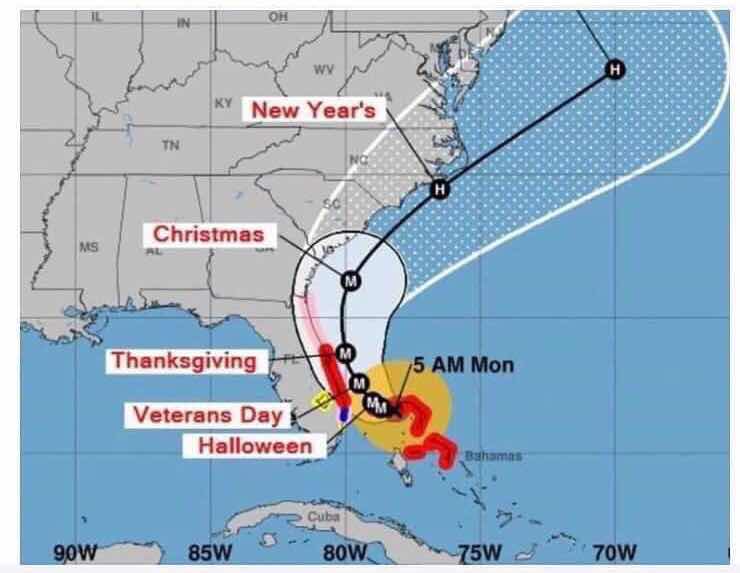
  September used to be my favorite month but not anymore.  It’s that time of year again — hurricane season — on the East Coast, and we have Dorian hanging out in the Bahamas, taking its time deciding when (and where)  to forge onward on its path of destruction. 


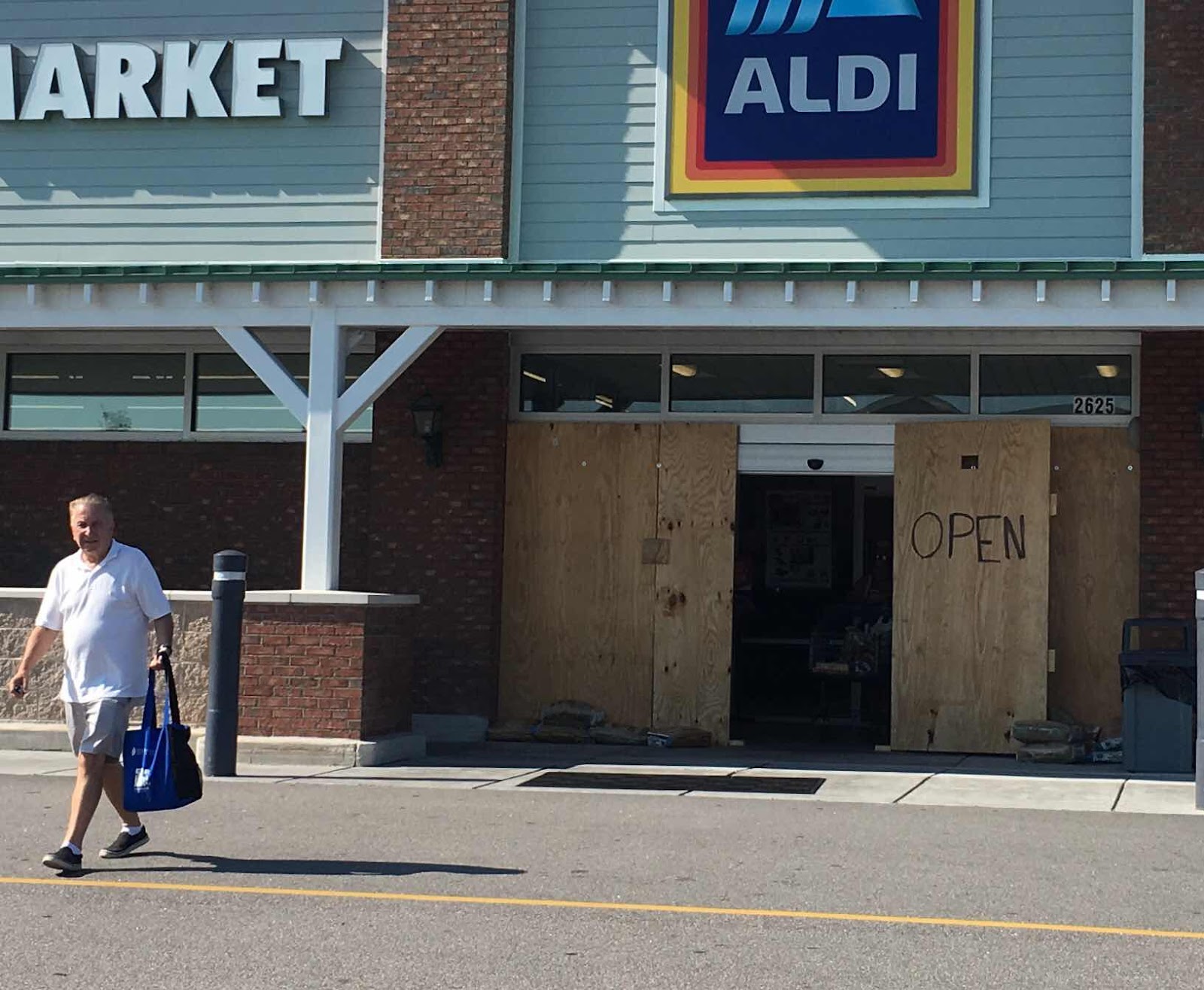
  This is what it has felt like for days now, the Waiting Game.  Everything in town is closed, sandbagged, and boarded up, even McDonalds, for the duration.  No school, no government, no mail.

  We are in Zone A, which means closest to the ocean (half a block from Winyah Bay) and under a mandatory evacuation order.  No one is going anywhere yet, however, because the hurricane is stalled. We have hotel reservations an hour and a half inland but won’t go until if and when it becomes necessary.  
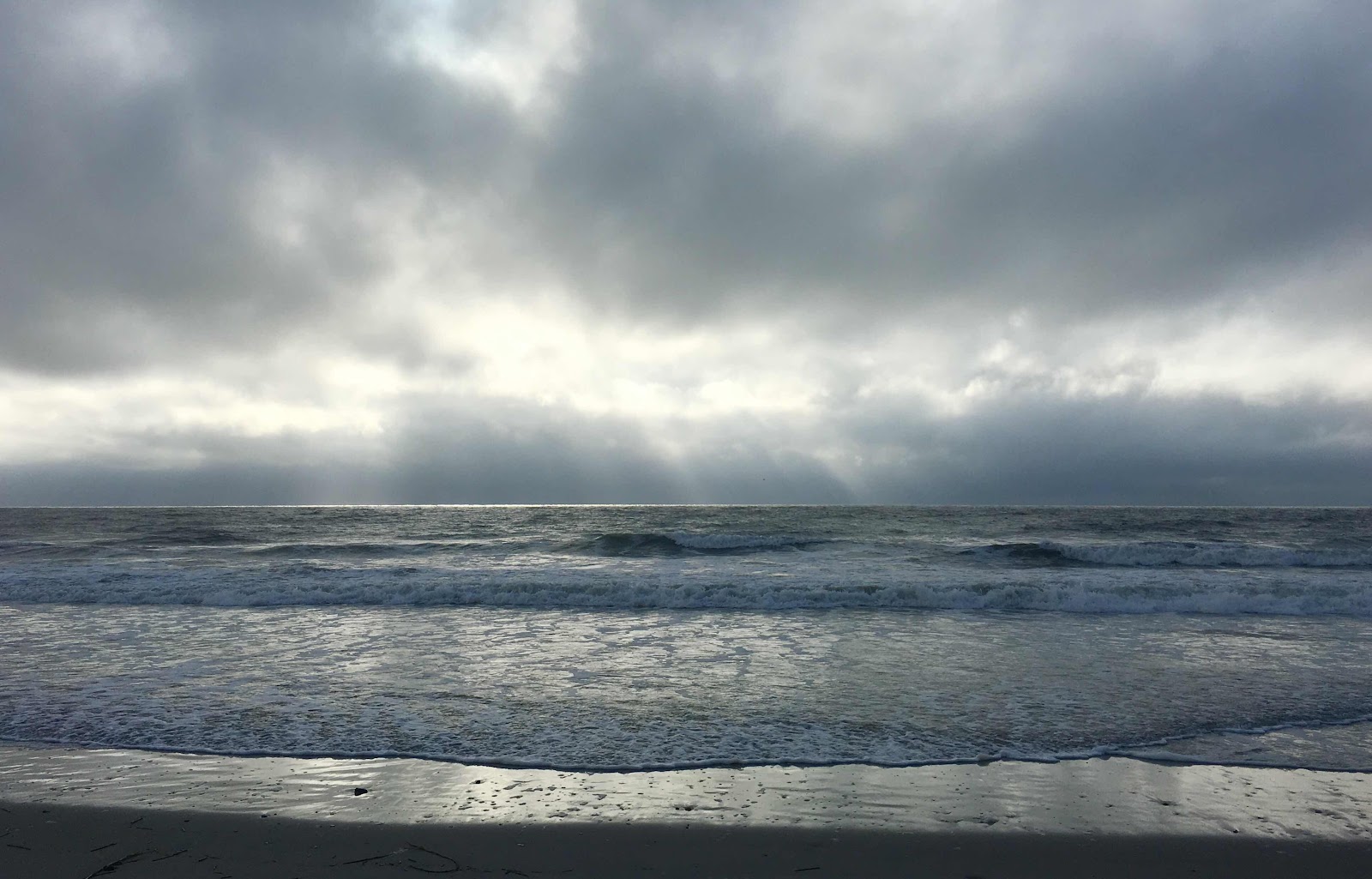


   We checked out the beach yesterday and things were getting a bit stormy looking.  Today however, the sun is shining brightly and it seems like just another summer day. 


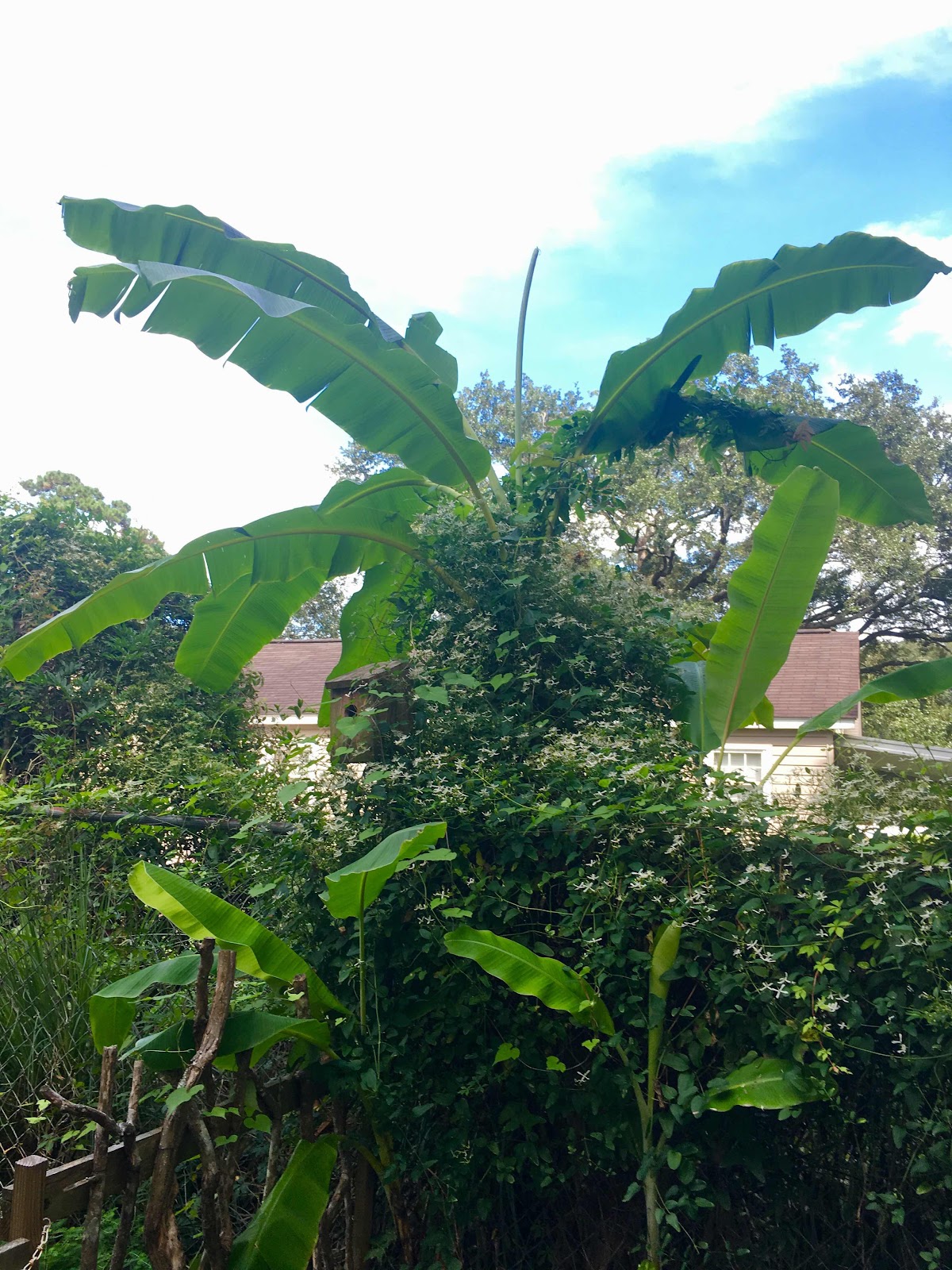
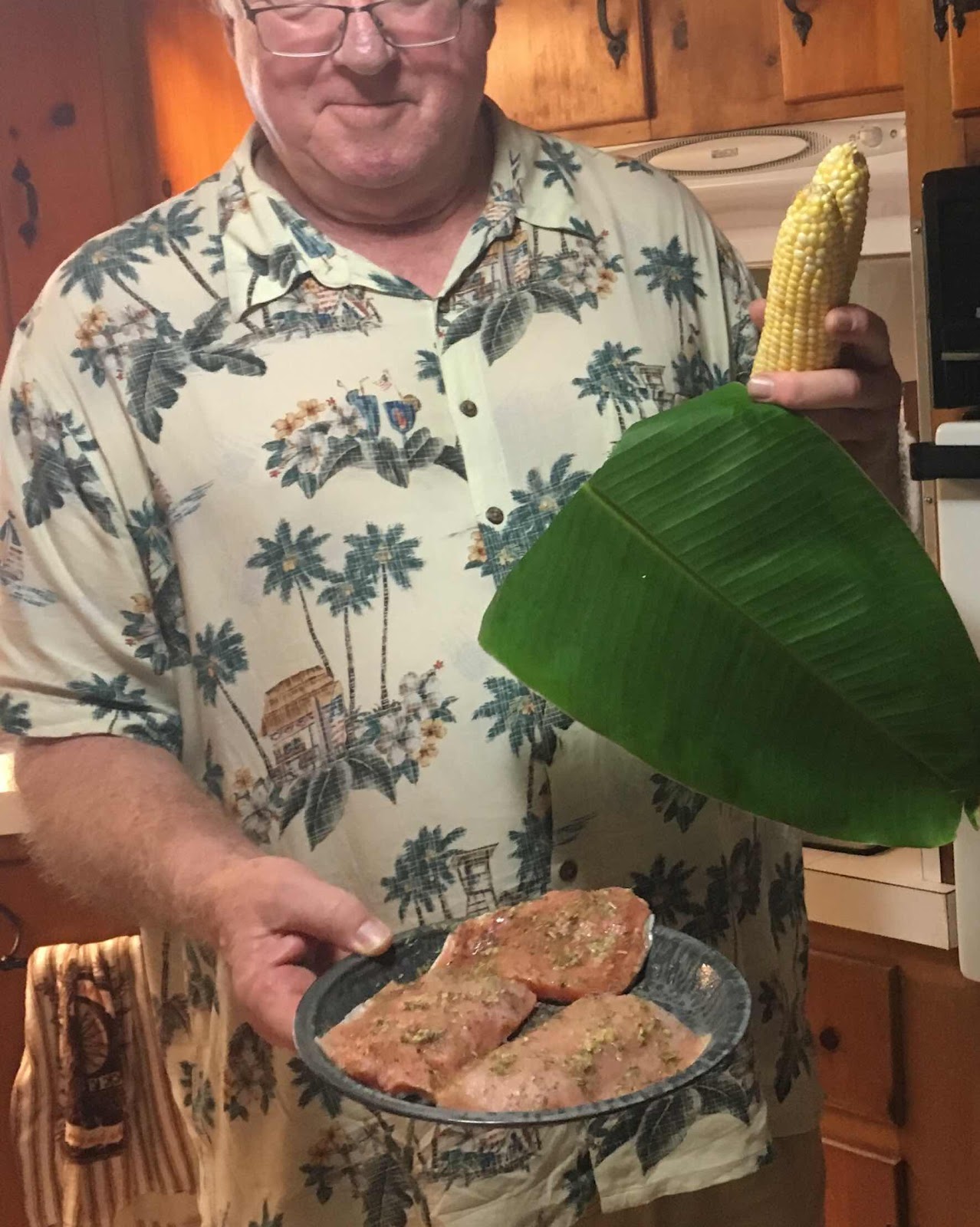
   Meanwhile ... we have banana trees that were planted by the original owner of our house that freeze every winter so they never produce bananas.  The taller one here is about 10 feet tall.

  We cut them back to the ground a couple times a year but they keep coming back and I was inspired by another blogger (Anne from New Zealand at Arty Green in Paradise) to see if there was any other use for them.  

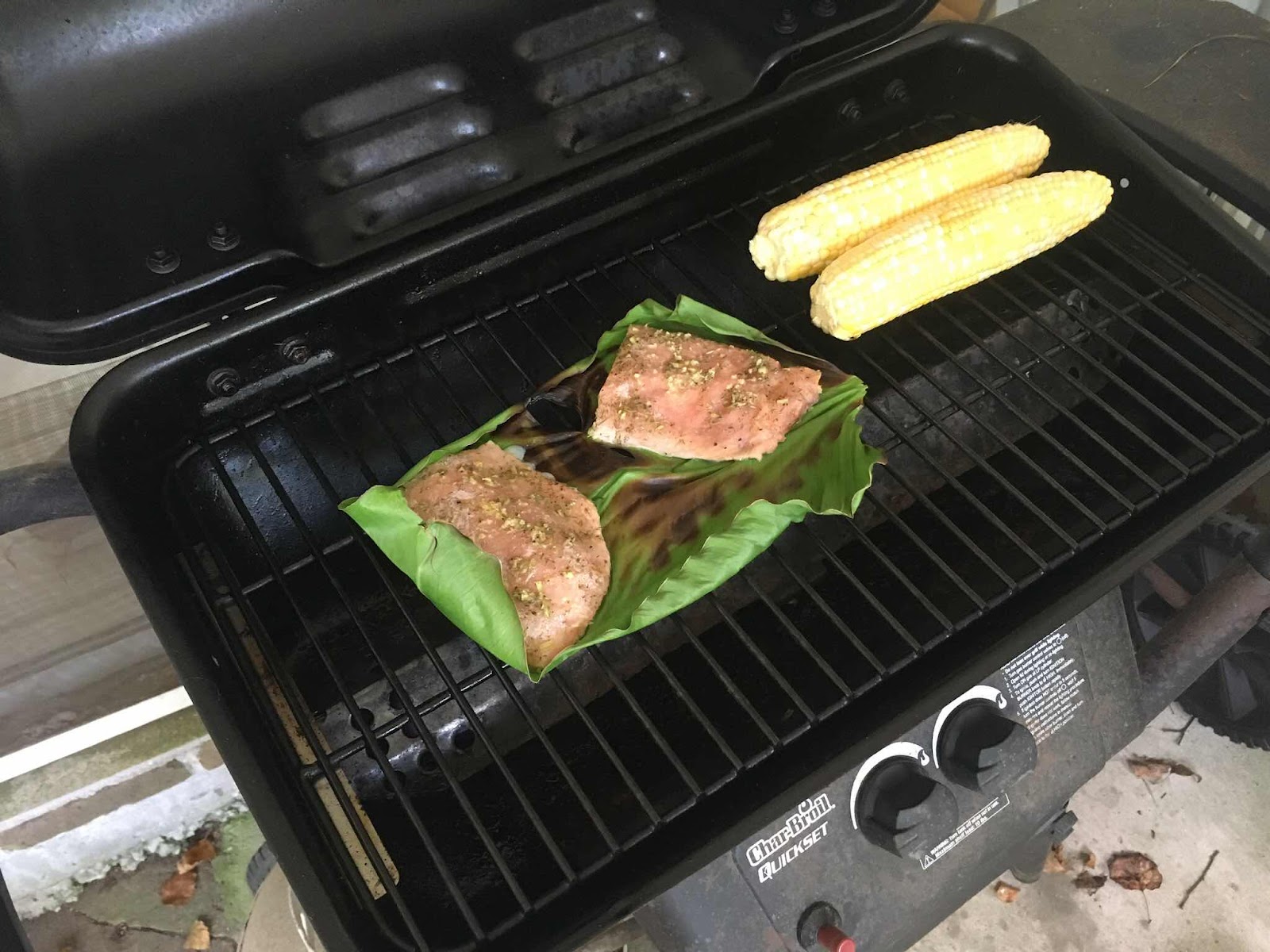
Well surprise! They make the best grilled salmon you have ever tasted! 


 For a feast for two, take one smallish banana leaf, two salmon steaks (plus one for leftovers) rubbed with a bit of olive oil and season them with lemon grass, ginger, lime juice, and salt.  Husk two ears of sweet corn.


 The banana leaf will char and flavor the salmon with sort of a smoky-grassy flavor and be the juiciest salmon ever!  

  So delicious I couldn’t get a photo of the plate before we ate it all up!

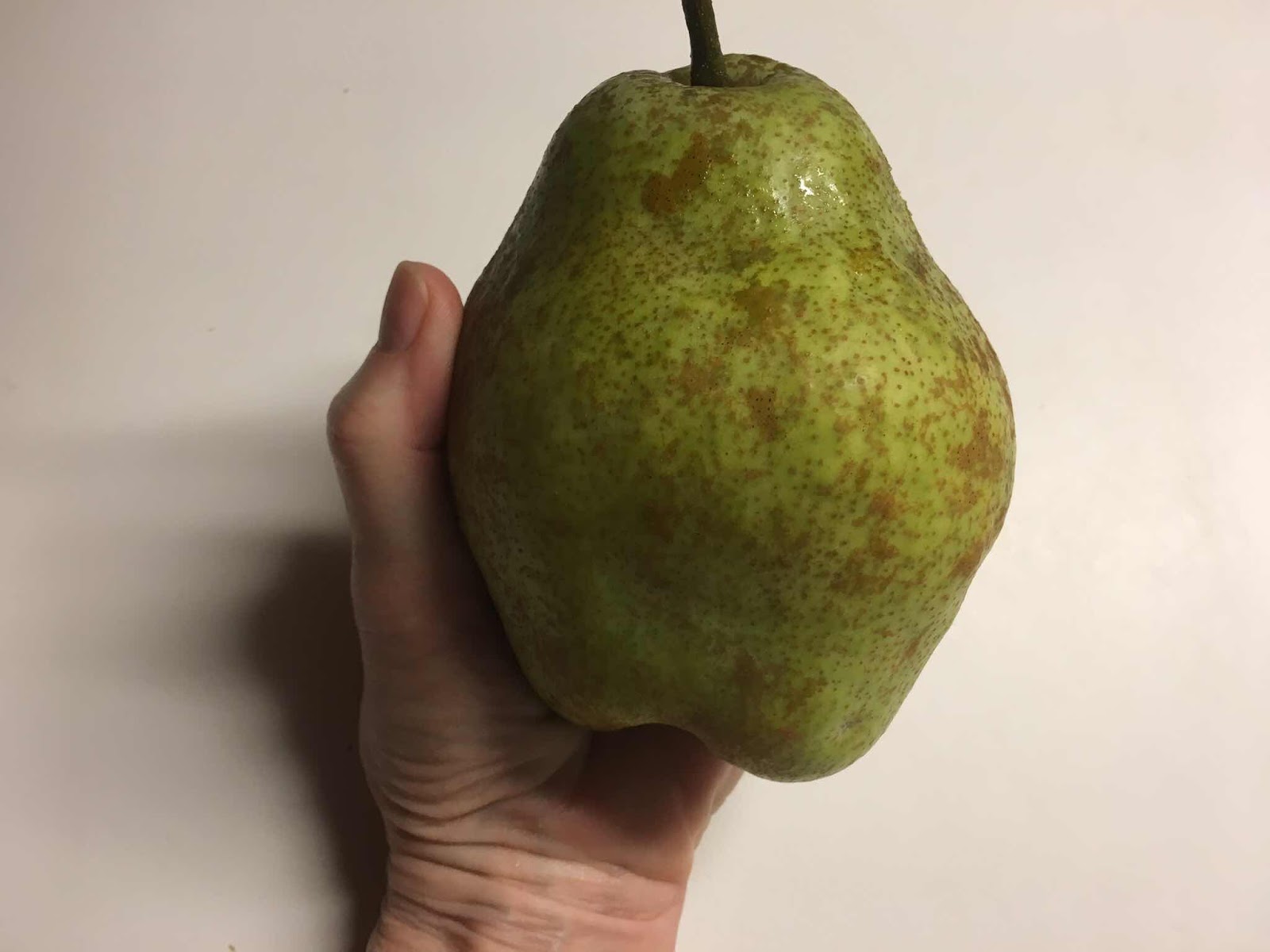
  For dessert, slice up a third of a mammoth pear from our neighbor’s pear tree.  That’s my hand to give you an idea of the size of Malcolm’s pears.  
  Well, back to assembling the crate for the cat to travel in, filling jugs with drinking water and the bathtub with washing and flushing water, putting the citrus trees out of harm’s way in the sunroom, etc etc. I’ll let you know what happens next.
Saturday, August 31, 2019

St Paul’s Old Municipal Grain Elevator

 
(This is a continuation of my last post about the Upper Landing Park in St Paul, Minnesota.)

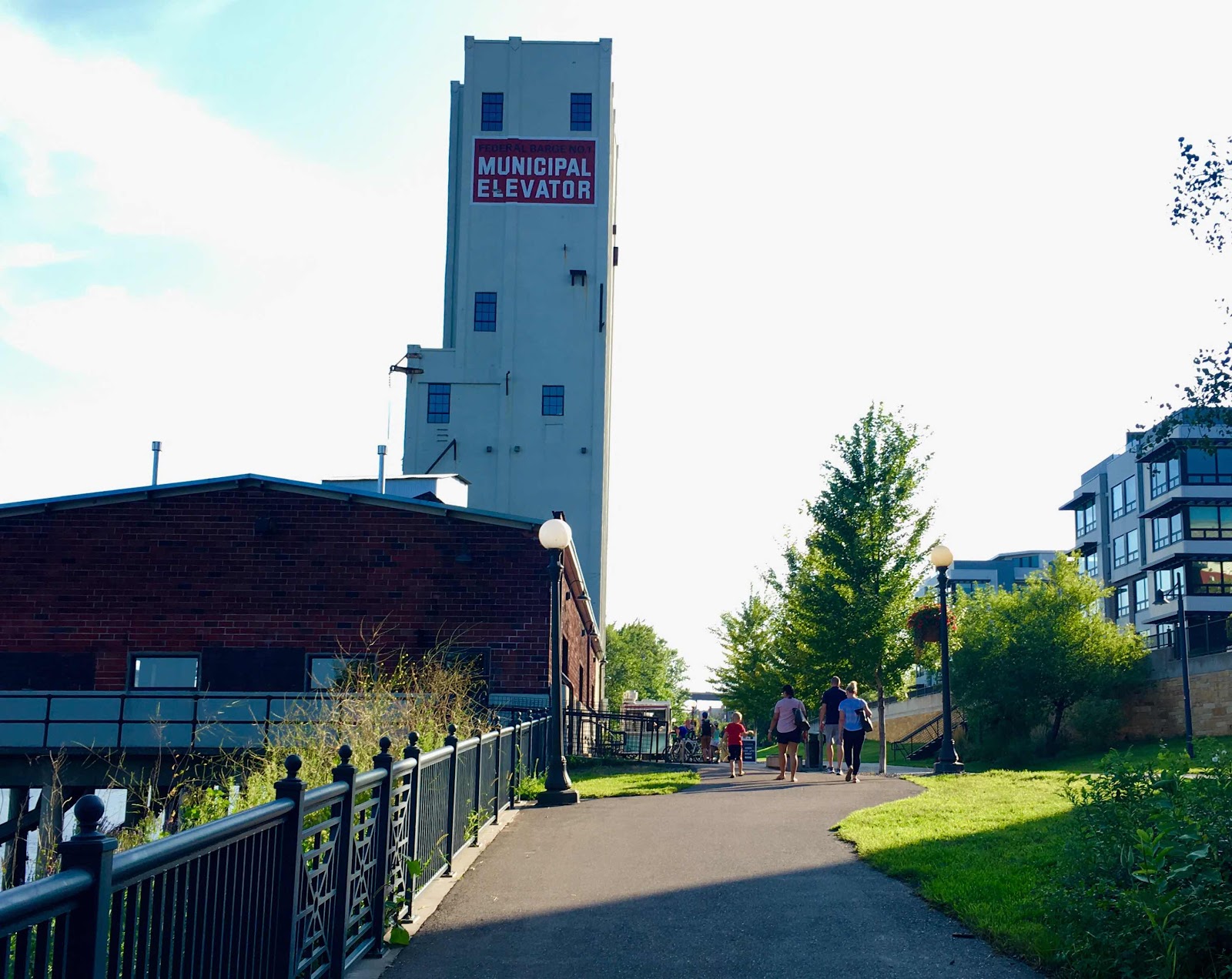
  From Upper Landing Park you see the tower of the old Municipal Grain Elevator down the river.  


  We walked up the hill for dinner and another little lesson in St Paul history. 


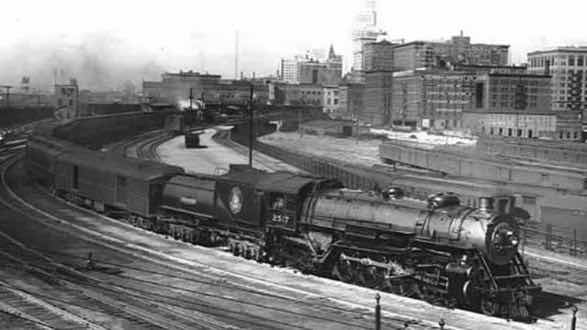
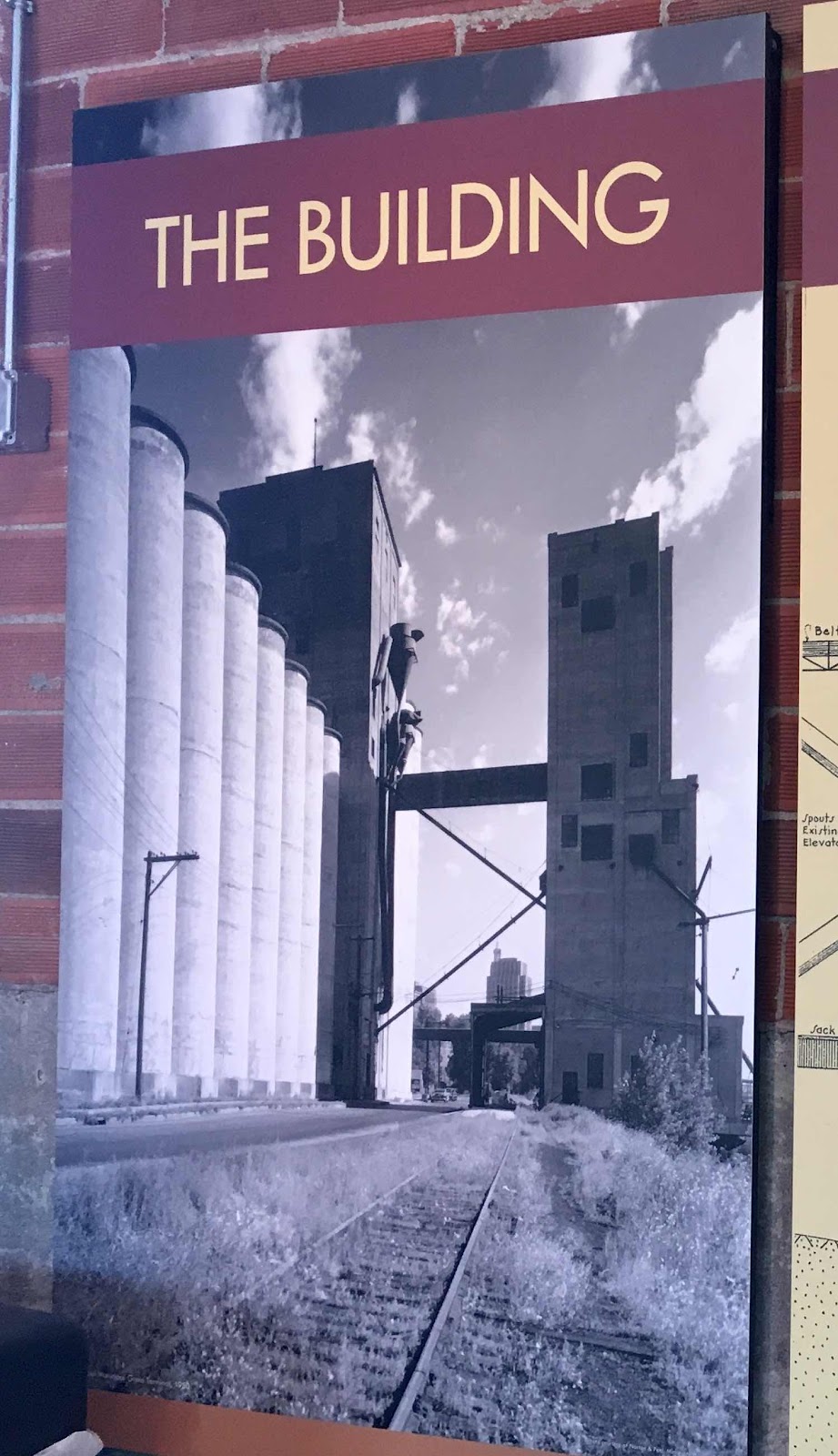
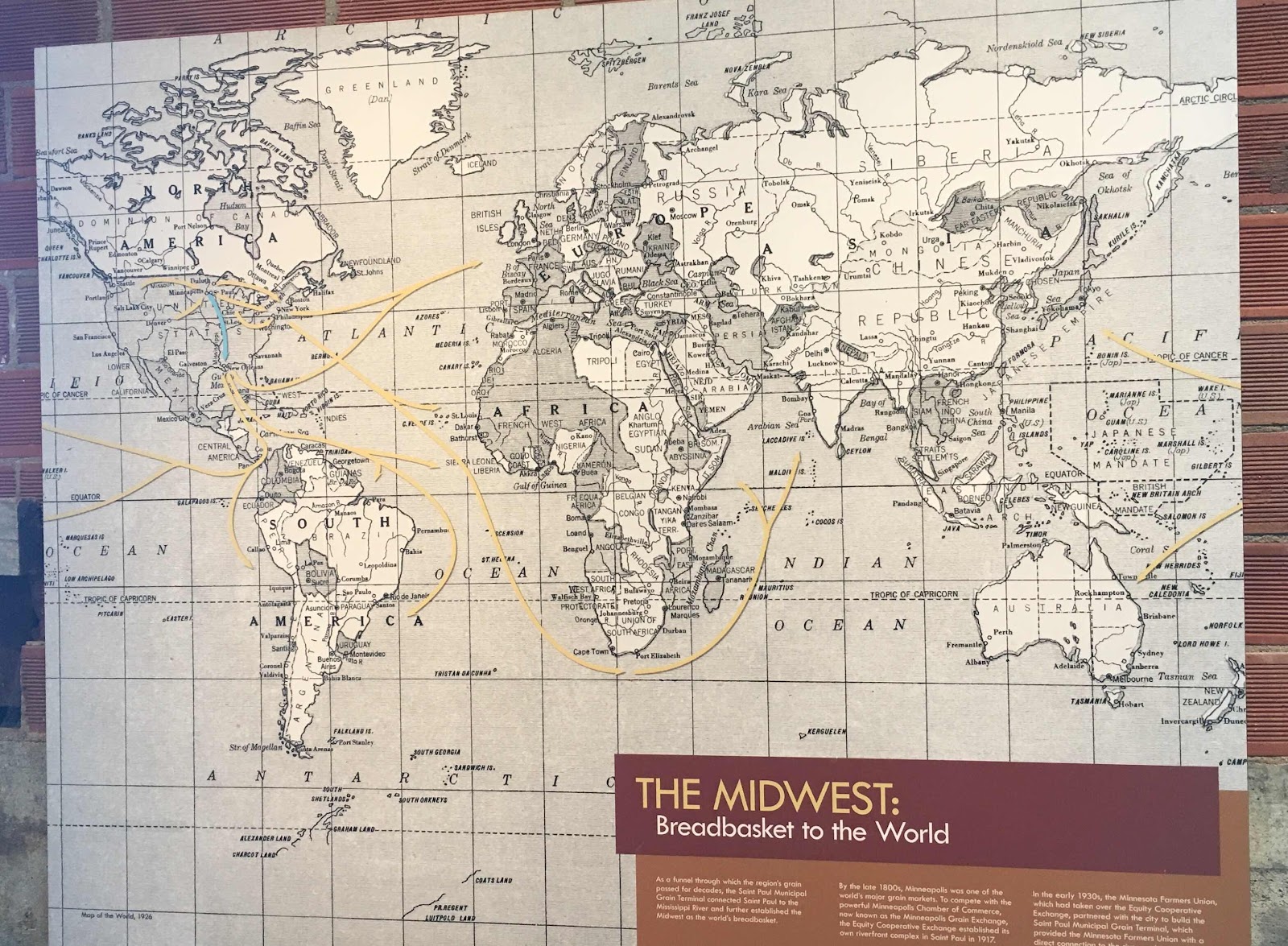
  By the 1930s the grain industry was flourishing on the river, and now the six-story Municipal Grain Elevator and sack house are all that is left of it.  For almost 60 years, through the 1980s, the riverfront was bustling with trains arriving from the Dakotas, Montana, and western Minnesota to unload wheat, flax, and rye, making the Midwest the  “Breadbasket to the World”.
  From the boxcars, grain was shoveled into either the sackhouse (below) where it was bagged or the elevator, then moved into the barges that lined the riverbank ready to transport it down the river. Some of the wheat also went by conveyors to a flour mill next door.  


  The buildings had deteriorated badly as they sat empty and, although they were of historical value, no one could agree on how to preserve them or what to do with them.  A contest was held that brought over 200 entries from across the U.S. and 13 foreign countries and the best ideas chosen.  The sackhouse is now called City House and is a pavilion and event venue with a food truck outside, a bar, tables, and (at the far end) an indoor play area with games for children and adults. 


  There are also a few exhibits inside, showing the site in its heyday.  

  At one time there were a hundred grain silos and the flour mill adjacent to the Elevator.  Wheat traveled from the railroad cars to the mill next door by a conveyer between the buildings to be made into floor.  


  From St Paul the Midwestern grain traveled to the Great Lakes, down the Mississippi to the Atlantic Ocean and Europe, Africa, South America, and all the way around the Cape of Good Hope to China!  


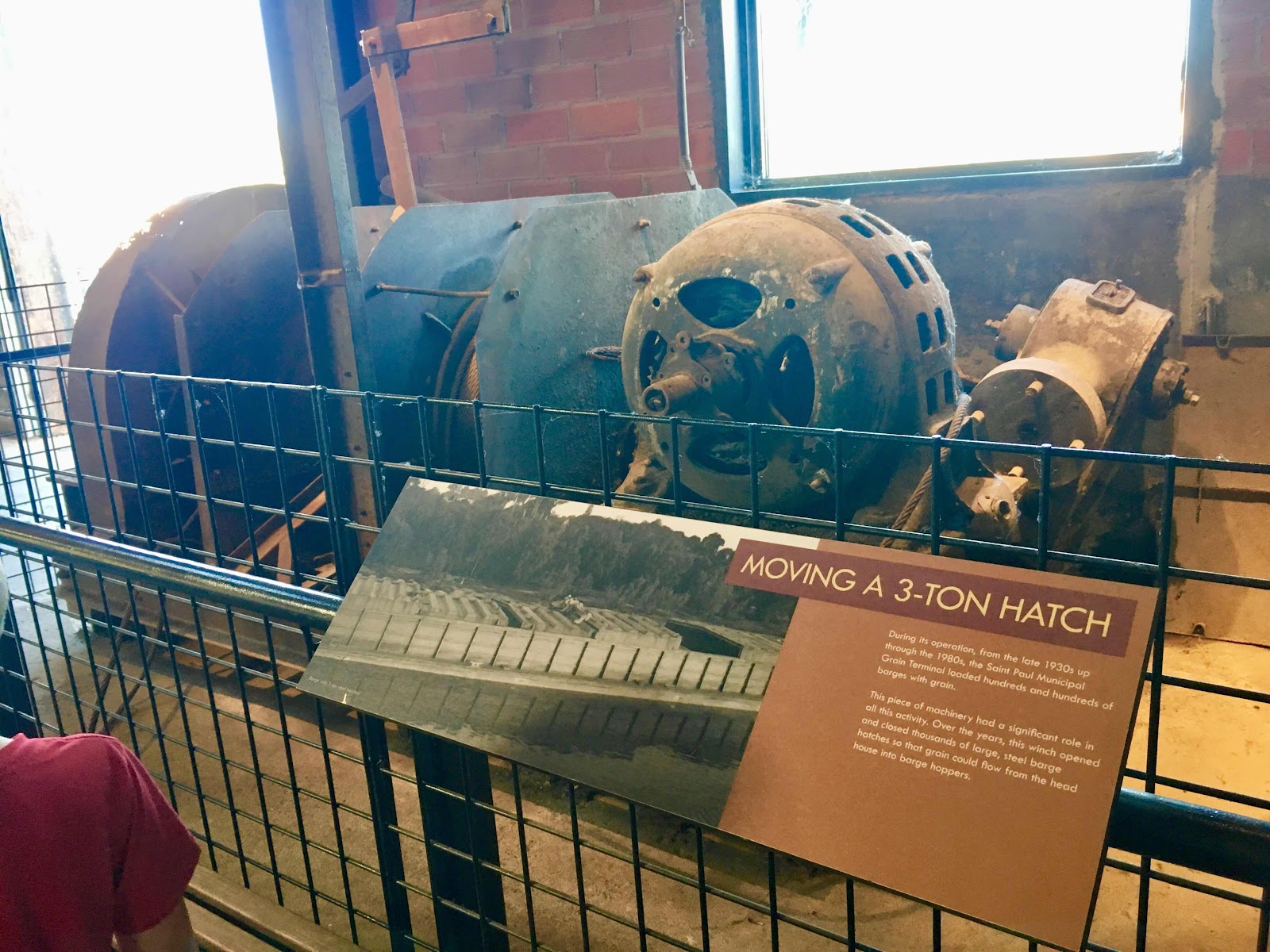
  There are a few pieces of machinery displayed inside the sack room, including this winch that was used in opening and closing the 3-ton iron hatches on top of the barges.  

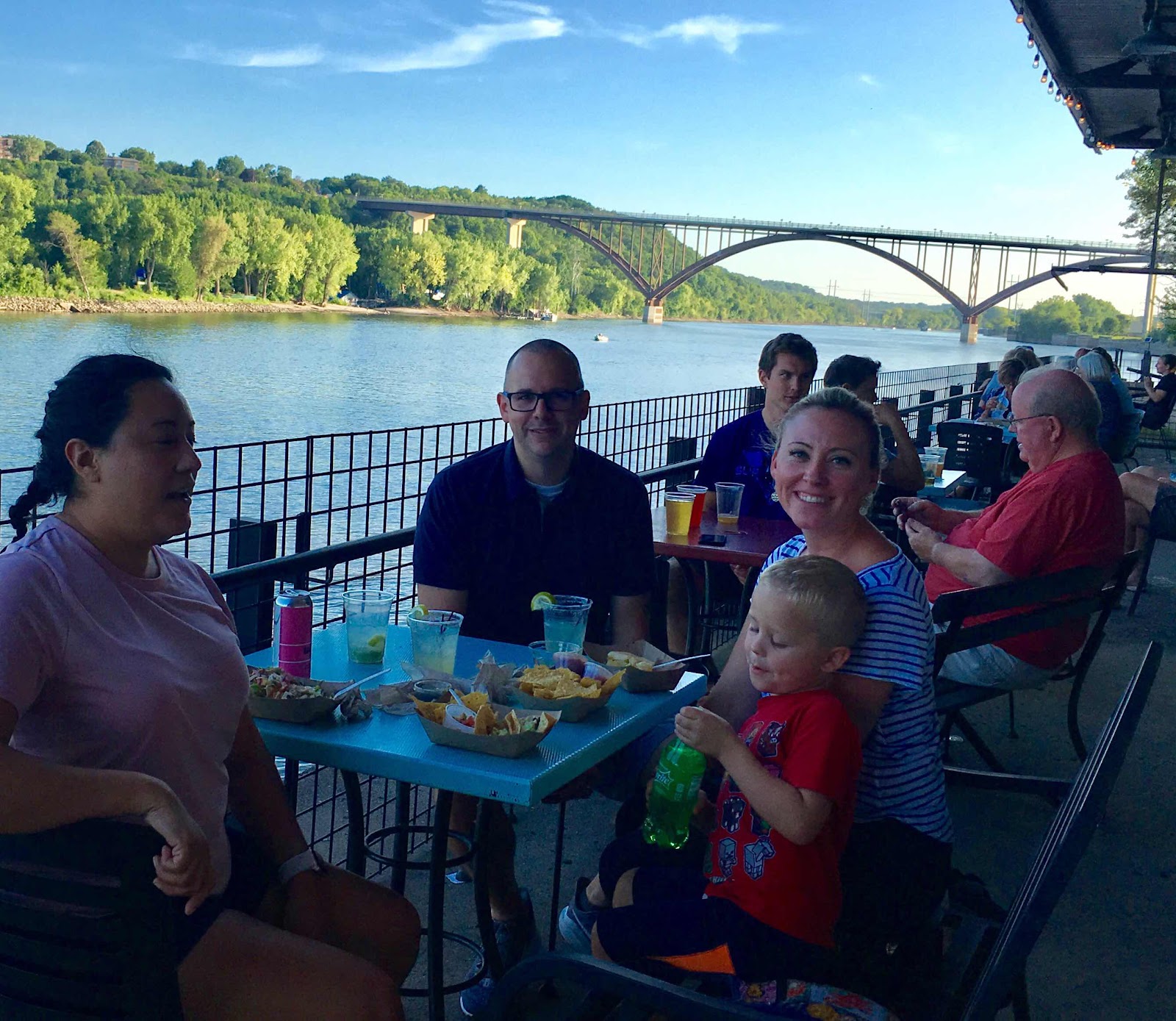
  We got drinks and food from the Red River Kitchen food truck and sat at a table outside overlooking the river.  (The area is too prone to flooding to have a permanent restaurant, hence the food truck.)

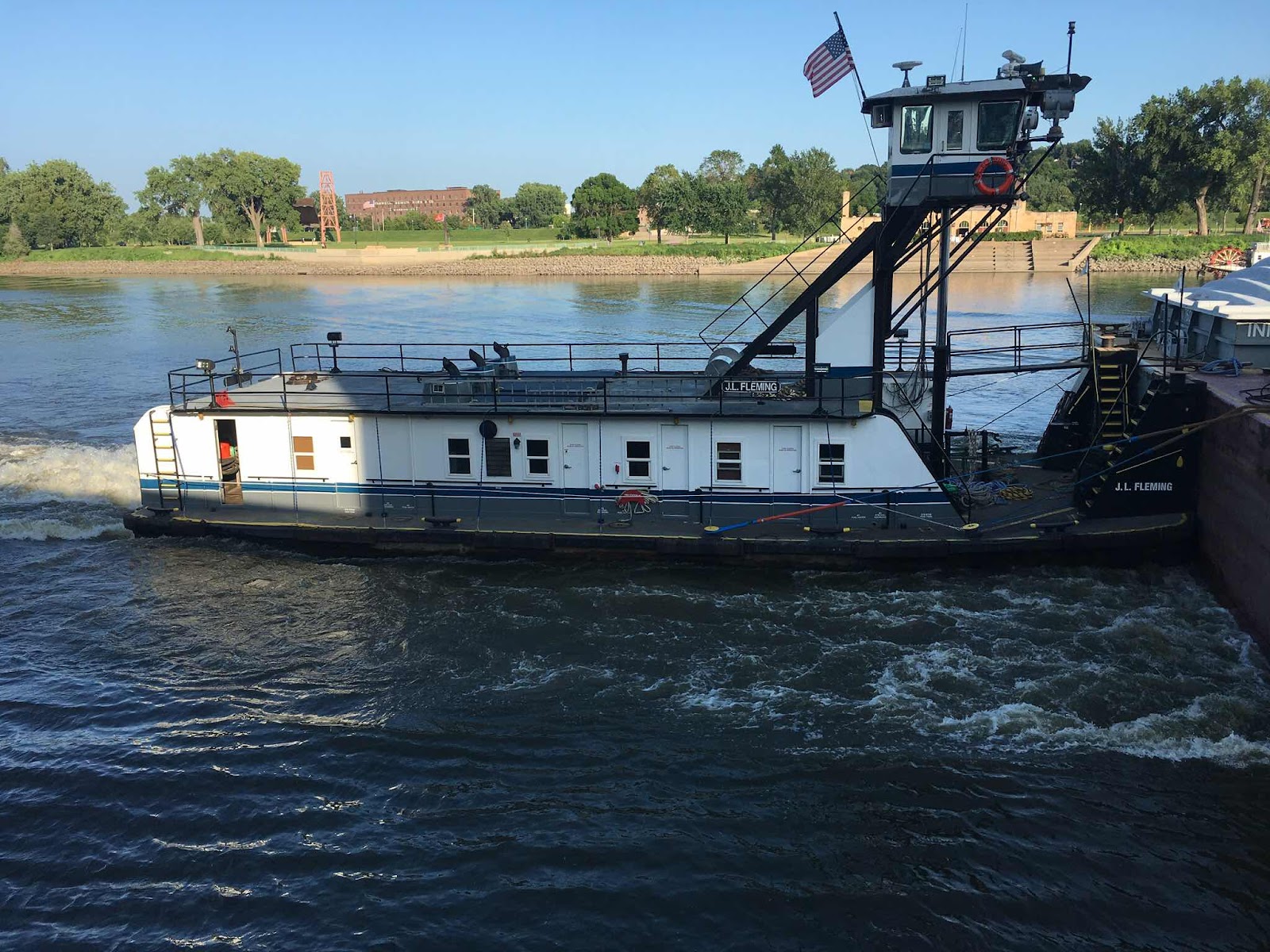
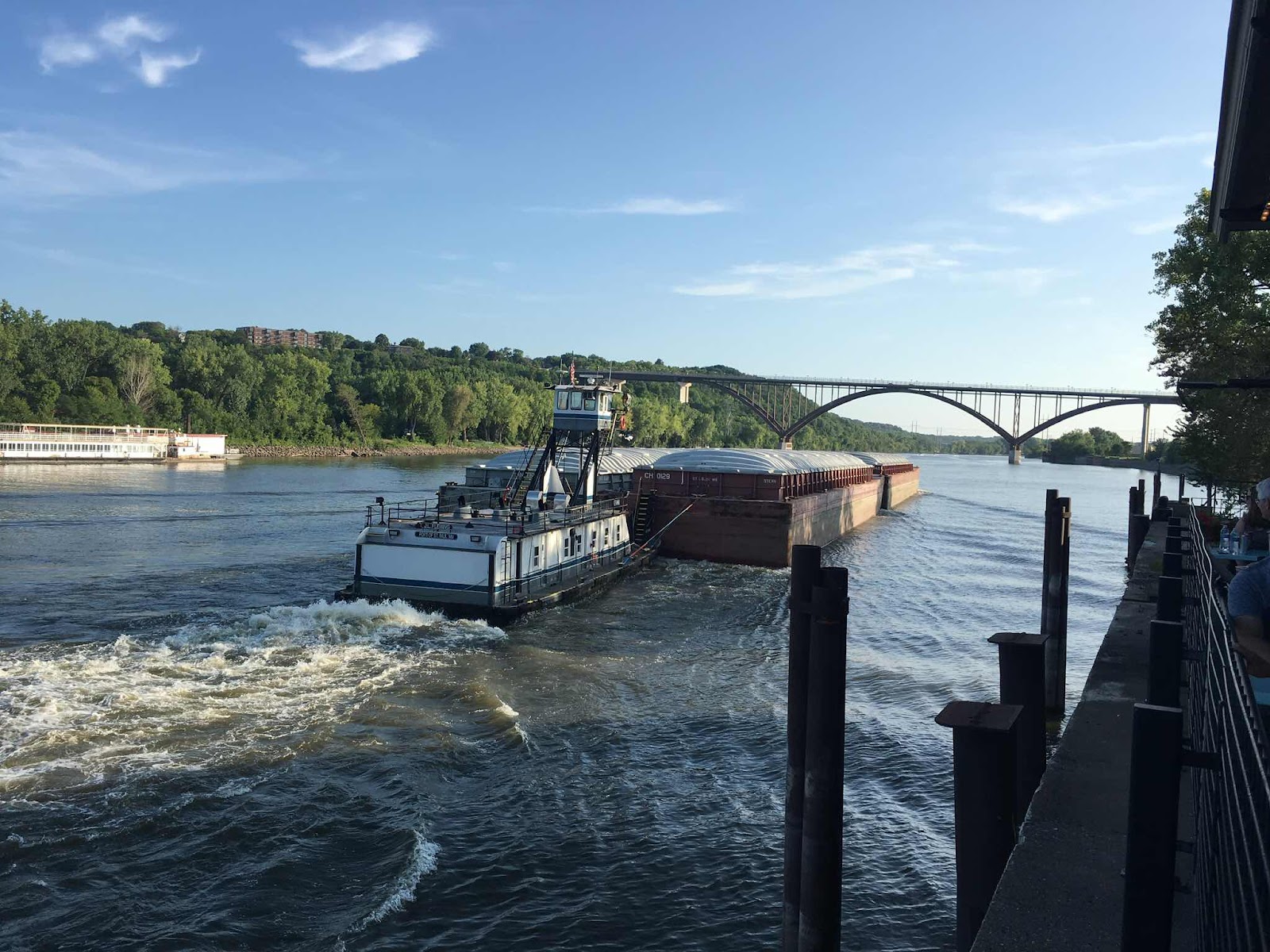
  As we were enjoying our dinner we heard blasts on a huge horn and ...

Look what came right by our table! 
 Mason was excited when the captain in the wheelhouse returned his waves!  


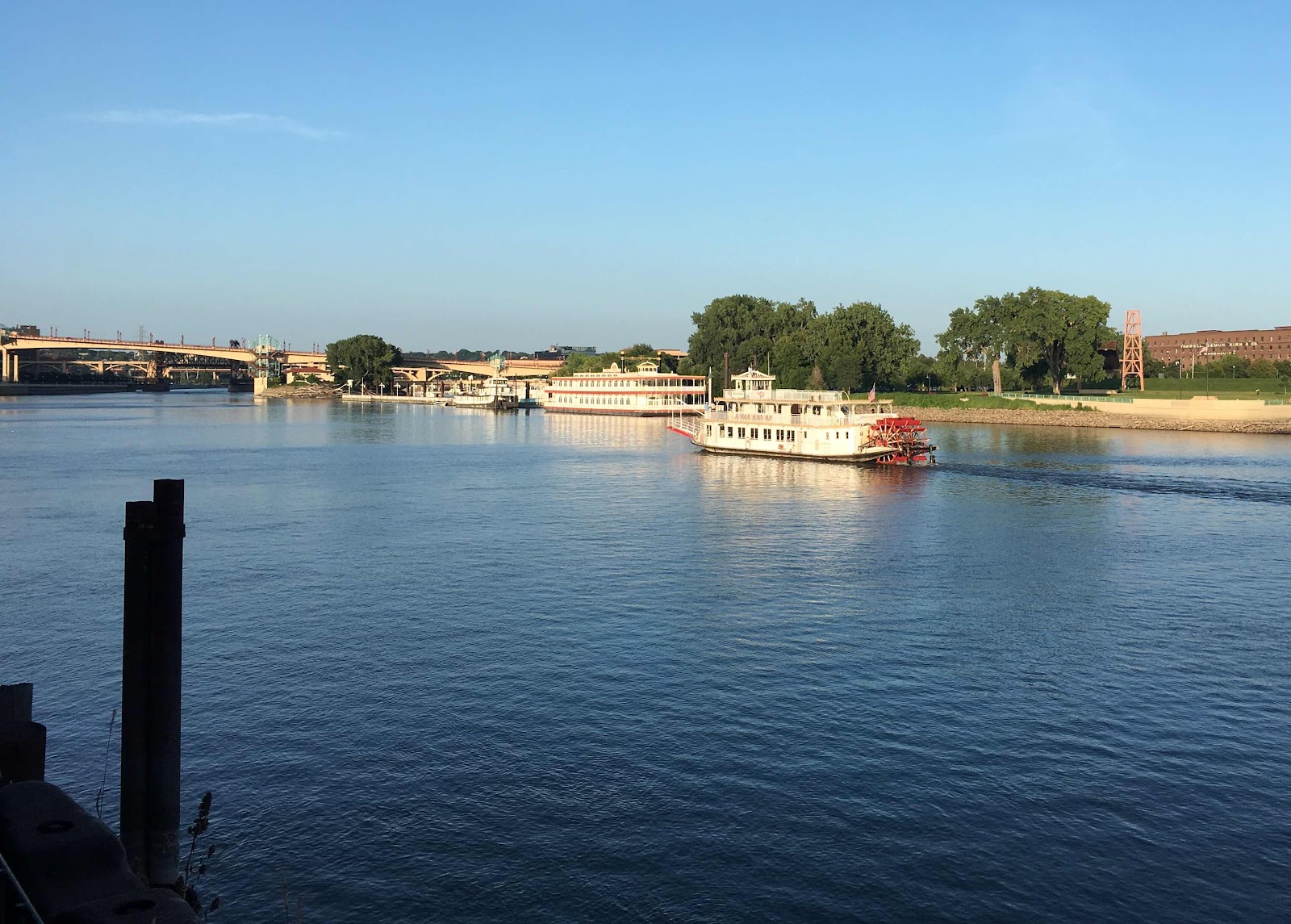
One last picture of the river ...
the Jonathan Padelford leaving for the evening’s dinner cruise up the river.


Wednesday, August 28, 2019

A Night Out in St Paul


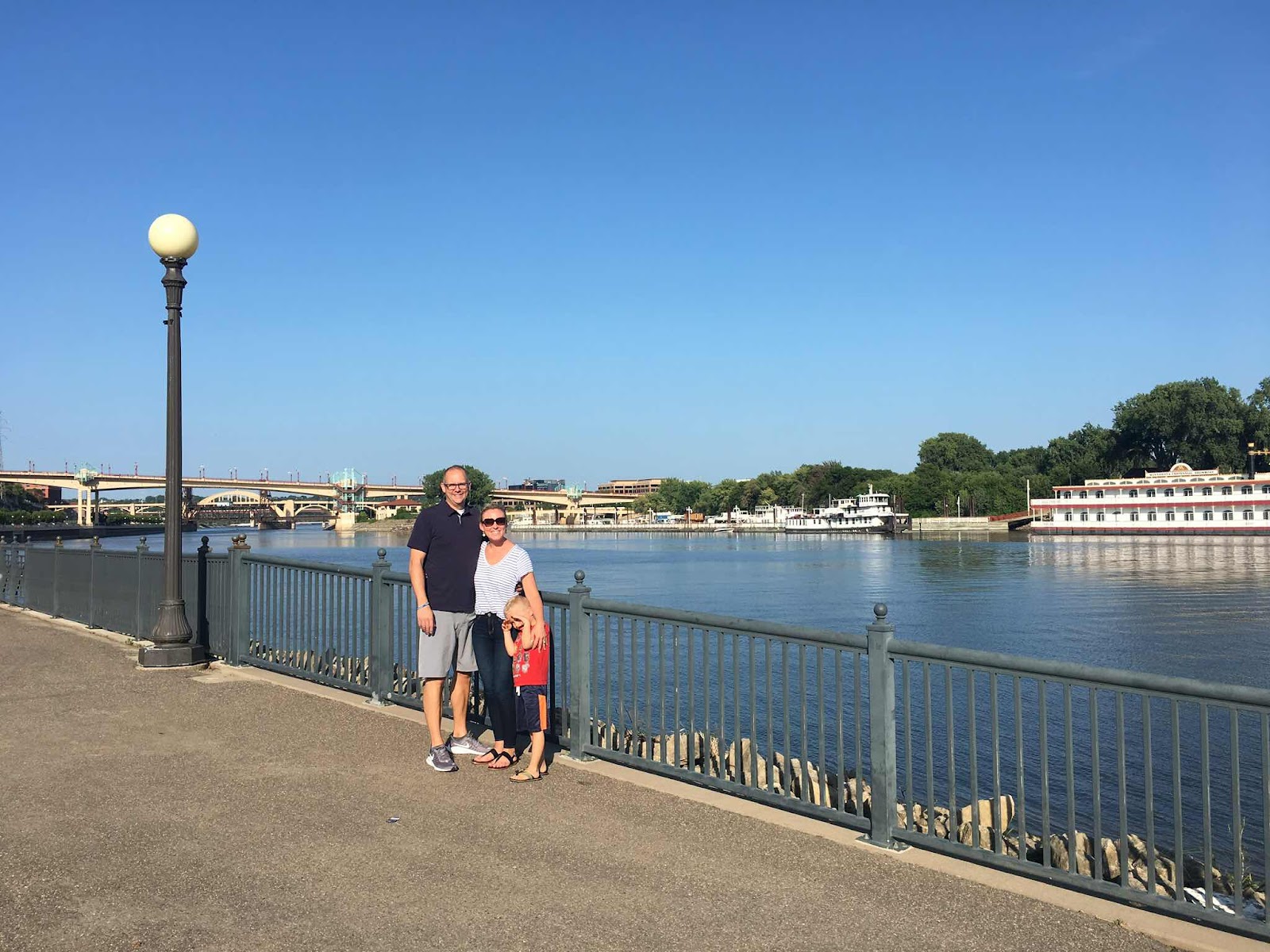
  On my recent trip to Minnesota we had a night out in St. Paul, the capital city. We parked along the Mississippi River near Upper Landing Park and walked along what is now a beautiful waterfront on a clean river on a gorgeous summer evening.  

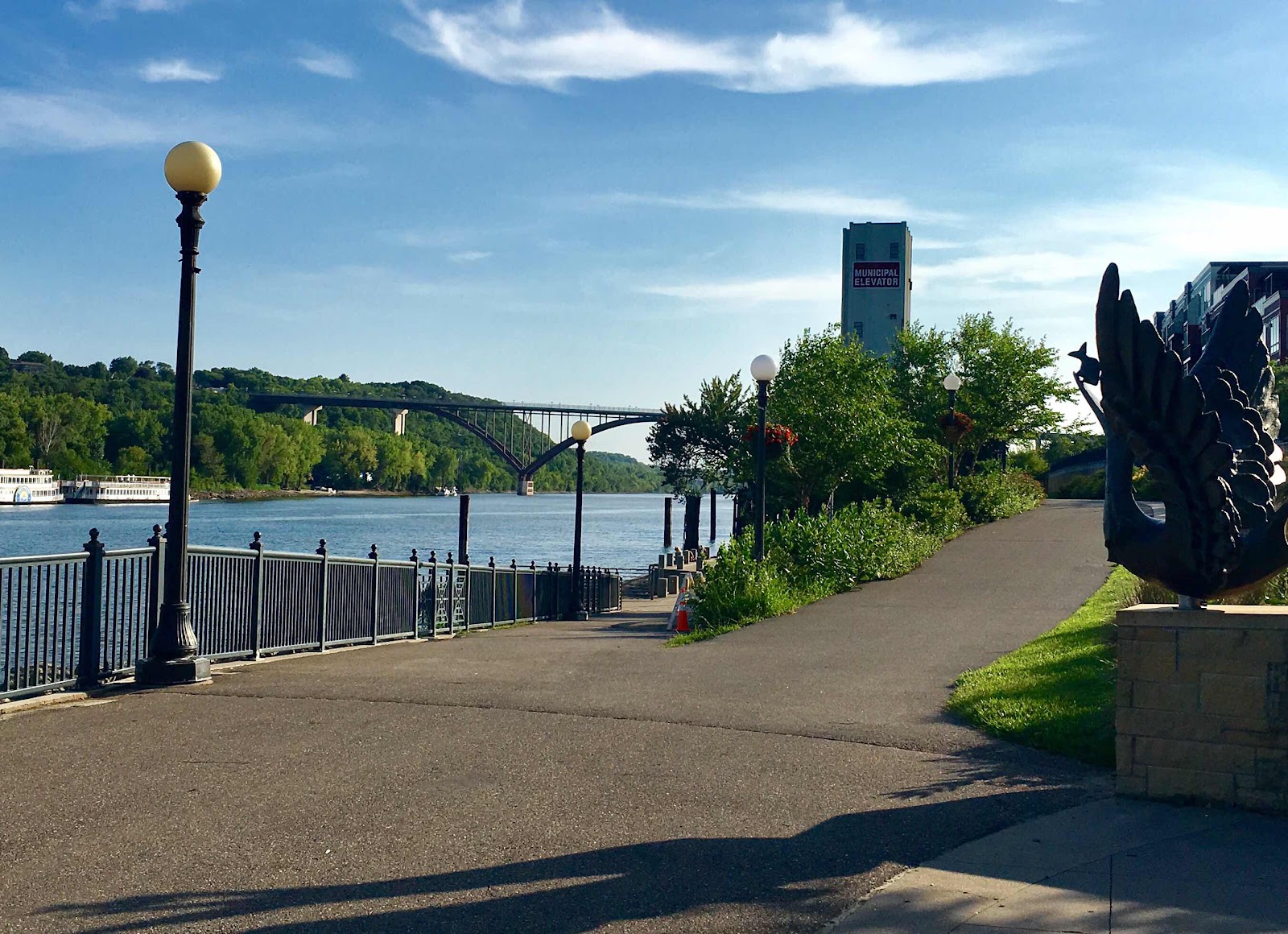
  Looking north, in the distance you can see several of the more than a dozen bridges of St. Paul, including the Wabasha Street Bridge which crosses Raspberry Island to Harriet Island.  To the right are two paddlewheelers, the boats that have been plying the Mississippi since Mark Twain made them famous.  The one on the right used to be a showboat with musical theater but hasn’t been in use for several years.

  Looking south, a walking/biking path follows the river downstream in Upper Landing Park toward the old Municipal Grain Elevator ...
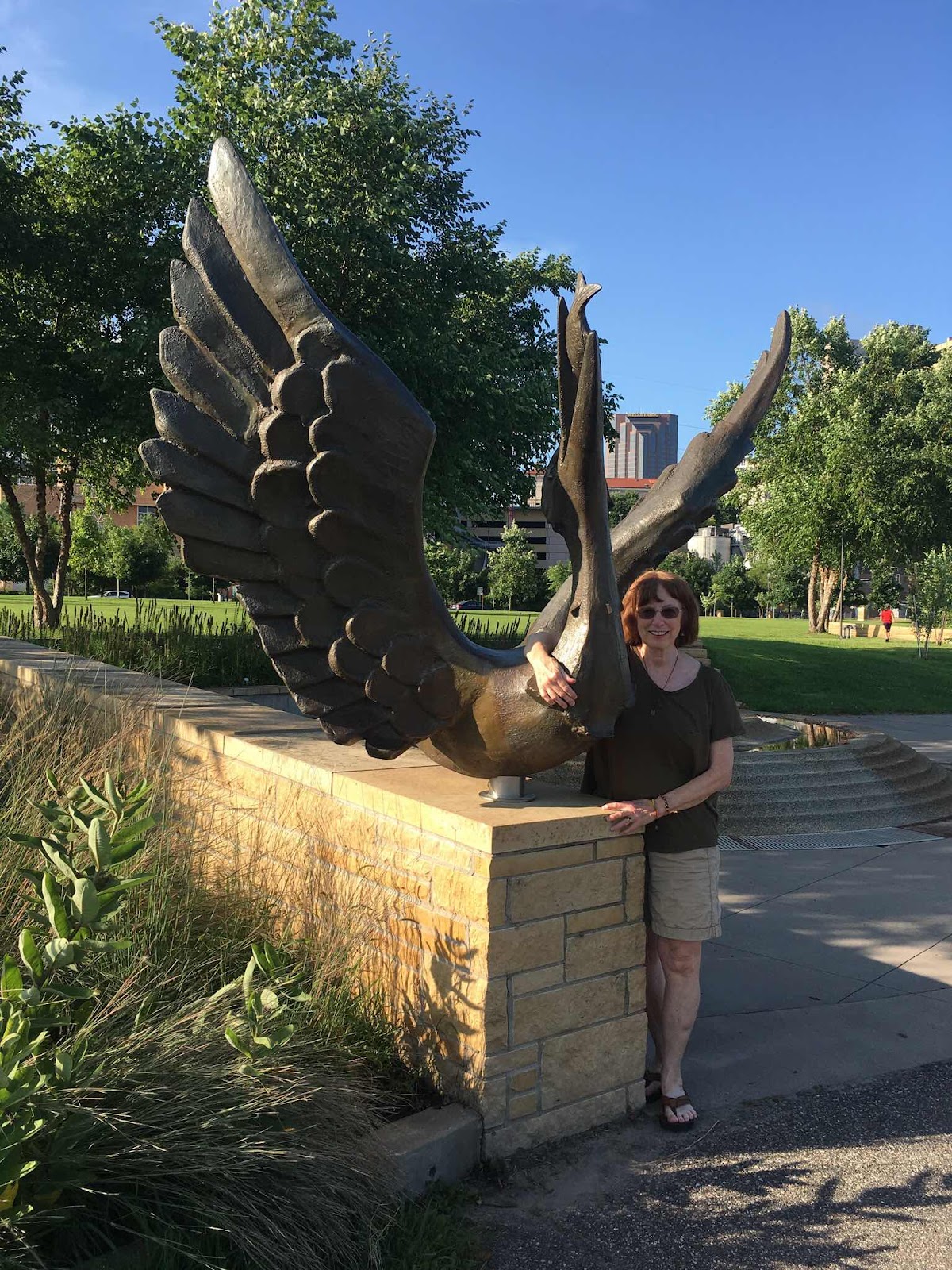

... and back upstream toward the city, past a flock of beautiful bird sculptures which represent the navigation and migration routes along the Mississippi, and ...


four fountains, including this one that Mason 
quite enjoyed playing on.  See the hammock napper in the background?


💧  ðŸ’§  ðŸ’§
  Such a beautiful public green space now with people enjoying the lush lawns and scenic trails, but this glimpse of its place in history is far from glamorous.
  
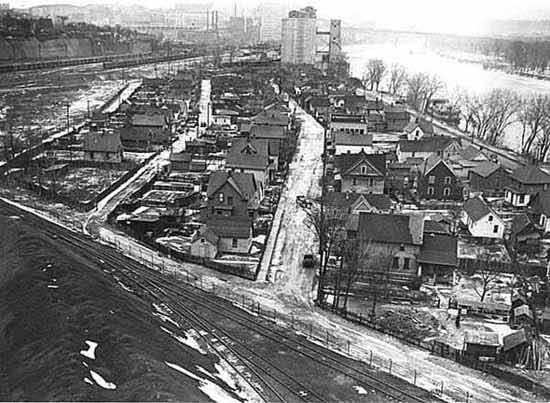
  The stretch of the river was once the busy center of shipping commerce and cargo docks for ore and lumber, and the undesirable areas of land alongside became settlements for the poorest of the poor.  The area called Bohemian Flats consisted of shacks built of flotsam and jetsam from the river by male immigrants from Czechoslovakia and Germany. The recently arrived single men were a wild bunch and Bohemian flats was known as a lawless and filthy place, constantly mentioned in the newspapers for drunken fights and other debauchery.  As their fortunes improved however, the men married, had families, and sought out better places to live in the city.  By the 1880s their shacks were deserted and new immigrants from a small area in Italy began to move in.


Upper Landing/Little Italy 1950s I think

  The men found hard work as laborers in the city, some for the railroads, and built their own homes.  Little Italy, as it came to be called, suffered from serious problems including the lack of a sewer system and clean drinking water, the foul-smelling river water, and constant flooding of homes when the river rose in the spring.  

  The community remained until a devastating flood in 1952, which  caused homes and school to be condemned.  Families were relocated against their will, the buildings were razed, and a scrapyard was built on top.  The riverfront remained a mess and an eyesore, contaminated with a hundred years of human and industrial waste. But in the late 1990s it was named a Superfund site and funds were available for a real cleanup.   
 
  Beginning in 2006, construction of attractive (and expensive!) high rise apartments and condos began.  Developers kept the old street names and named new ones after some of the successful inhabitants who began their lives in America there in Bohemian Flats and Little Italy.  

Friday, August 23, 2019

Like a Kid in a Candy Store

   Perfect summer weather in Minnesota so I hopped on a plane and am-scrayed out of the tropical sauna that is South Carolina in August to see my kids and grandboys.  Sunny, 70s, and no humidity —  perfect to have some adventures with four little boys.  


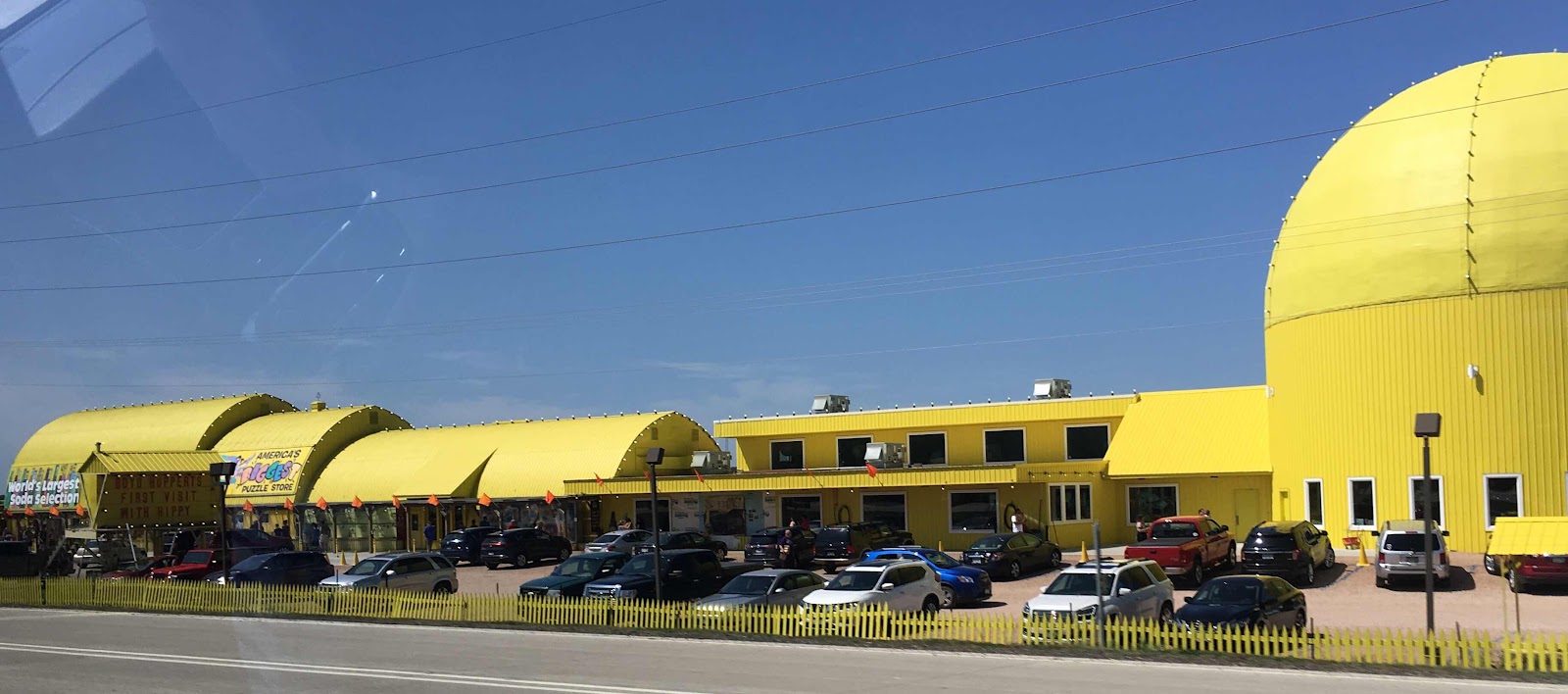
  A bright yellow picket fence runs for miles along the highway and cornfields near Jordan, building anticipation and raising the excitement level in the car several notches per mile.  


  And then there it is, a yellow behemoth rising from the prairie!  A candy store to rival all candy stores, a good example of turning lemons into lemonade.  
  
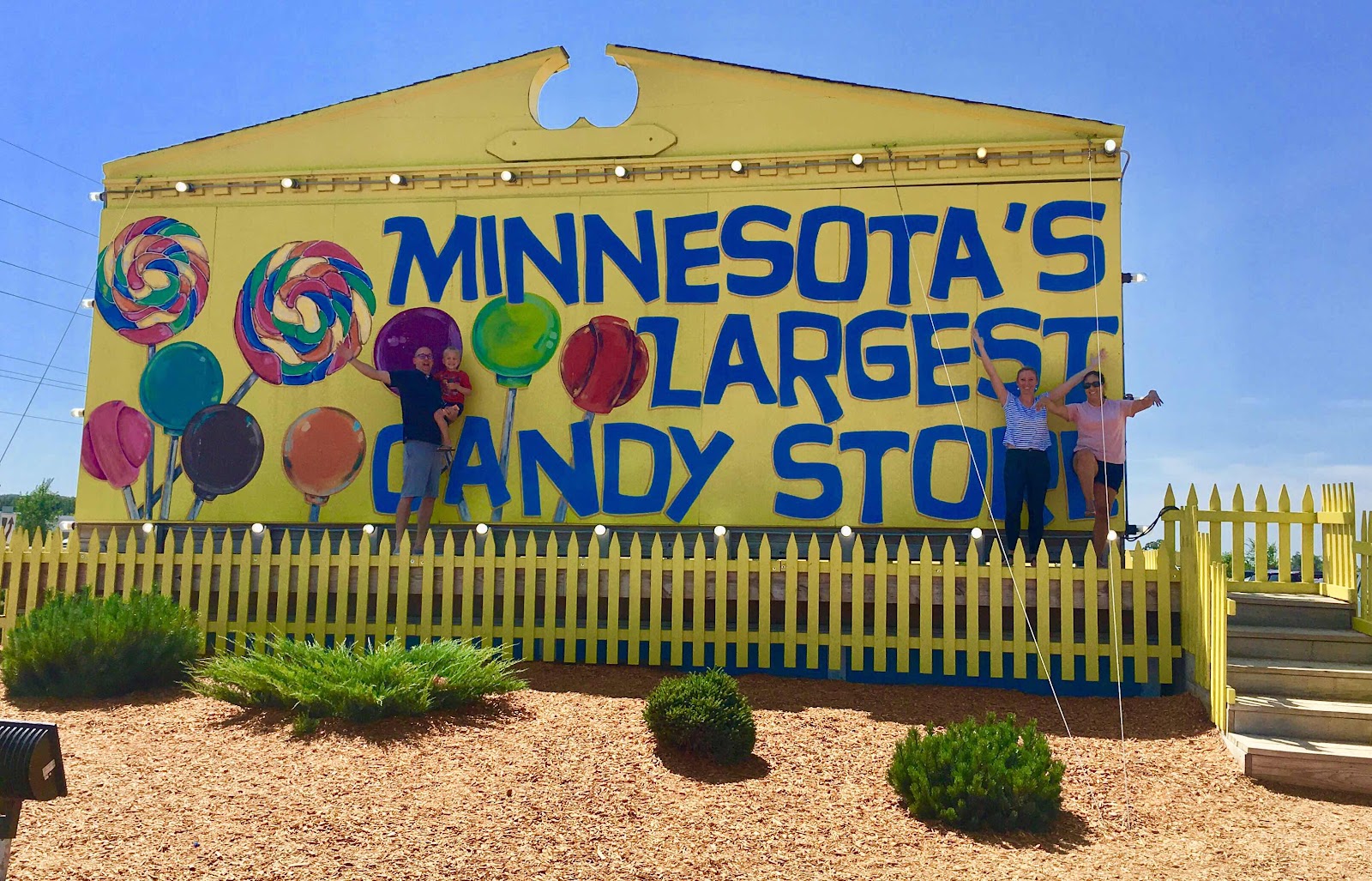
When the Wagner family’s commercial apple orchard was nearly wiped out by devastating hail storms two years in a row, they conjured up a vision of a seasonal candy store like nothing seen before in the Land of 10,000 Lakes. Longer than the Vikings football field, Minnesota’s Largest Candy Store has kept growing over the years and is filled with over 3,000 different varieties of candy.  

  It’s a tradition for my daughter’s family (along with about a million other families, judging by the jam-packed aisles) to indulge their sweet tooths (teeth?) once a year.  And I got to go along!


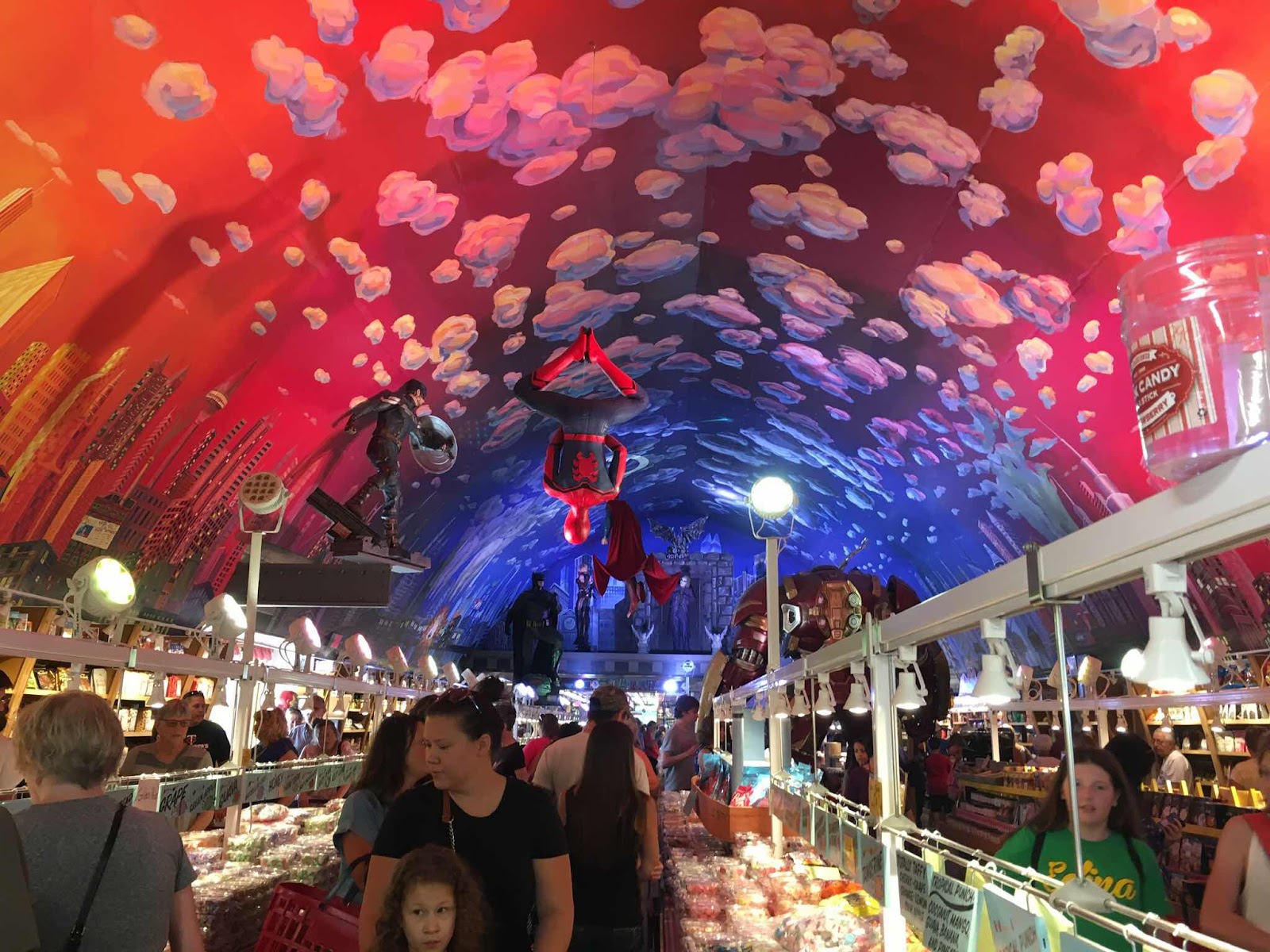
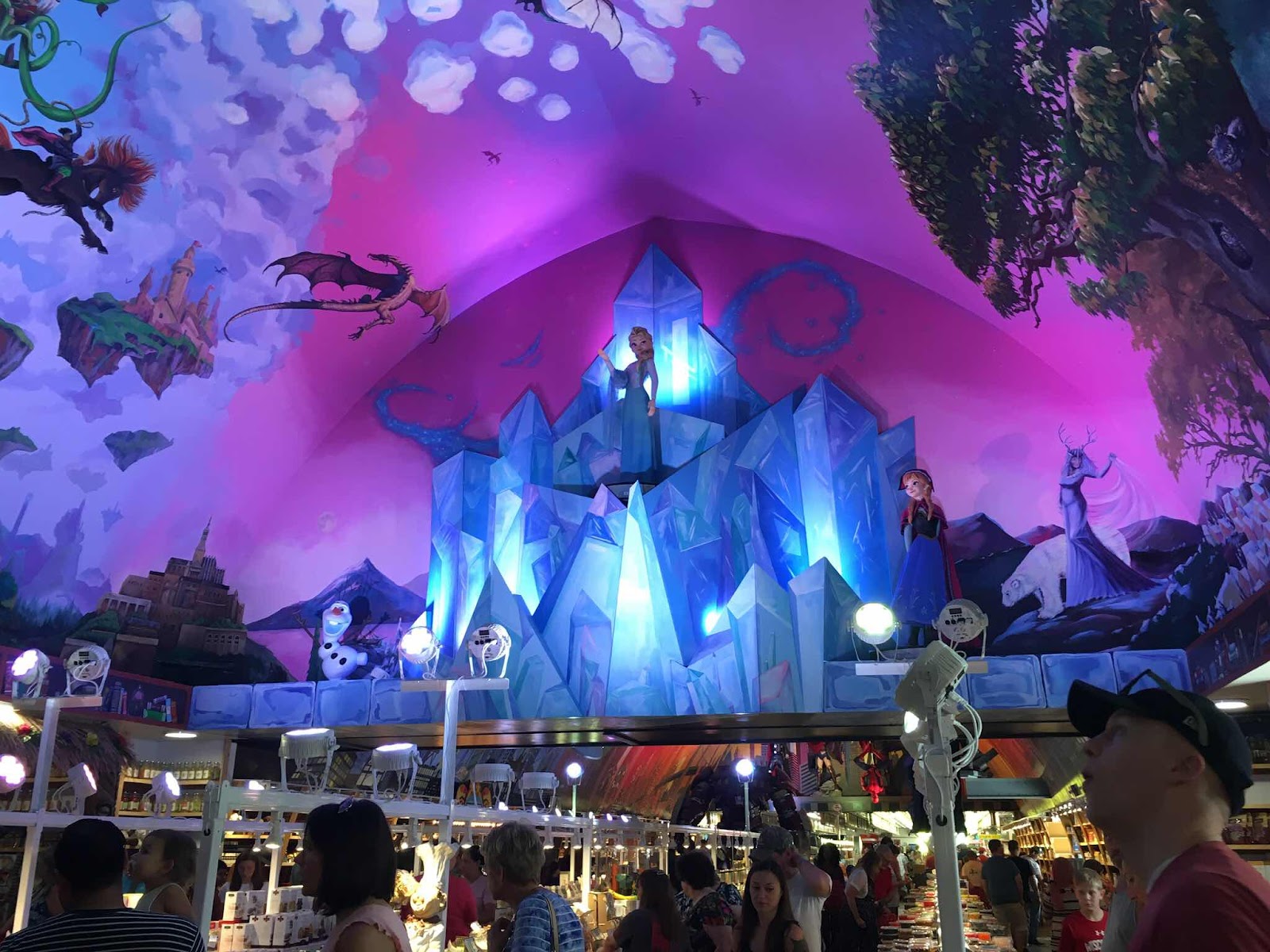
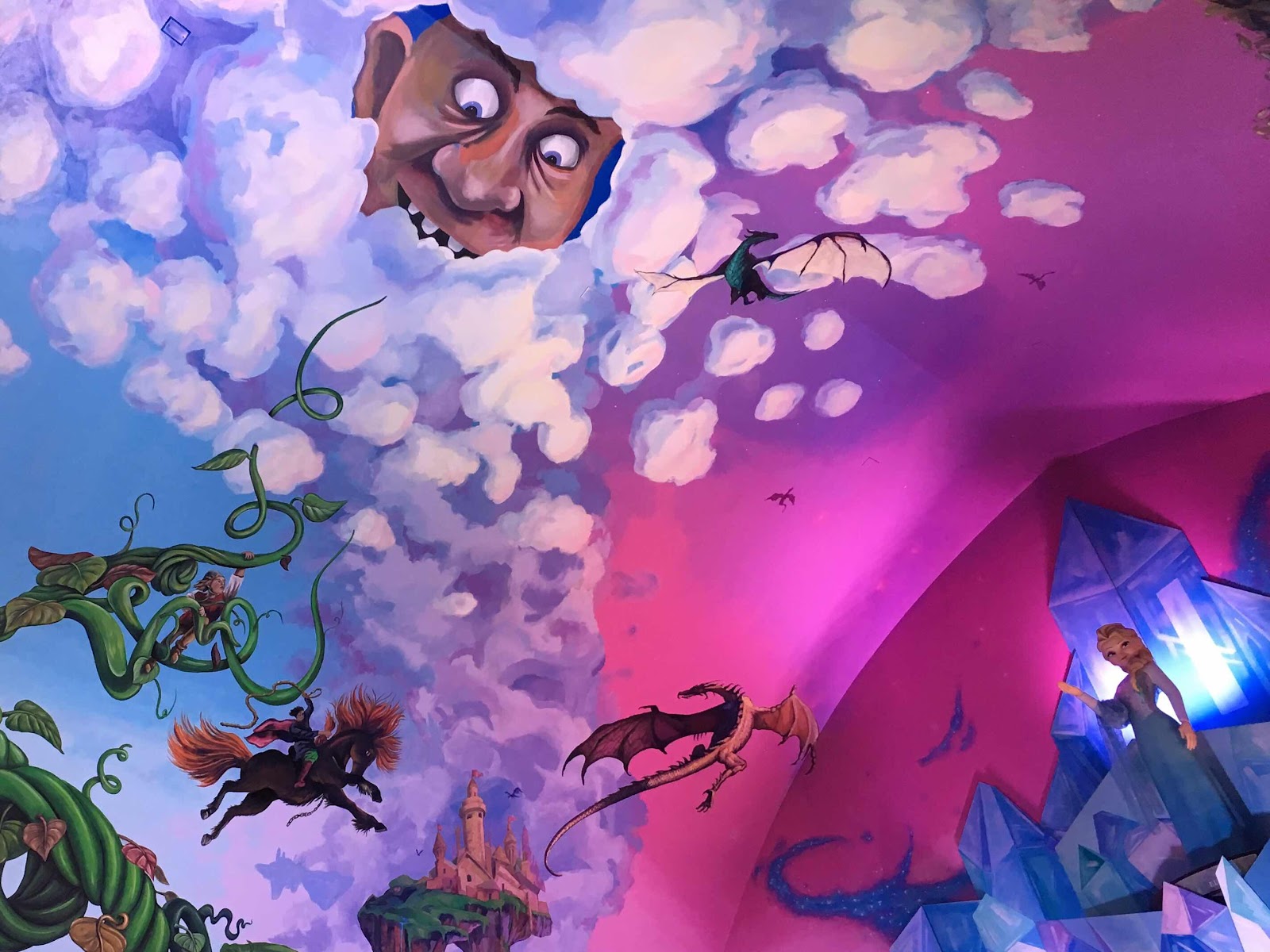
  The aisles are narrow and numerous, piled with every kind of candy you remember from your childhood (and a whole lot more you don’t!). Overhead domes feature movie characters, this one with 24 more than life-size super heroes protecting the world from above. 


  Another room, another dome — 


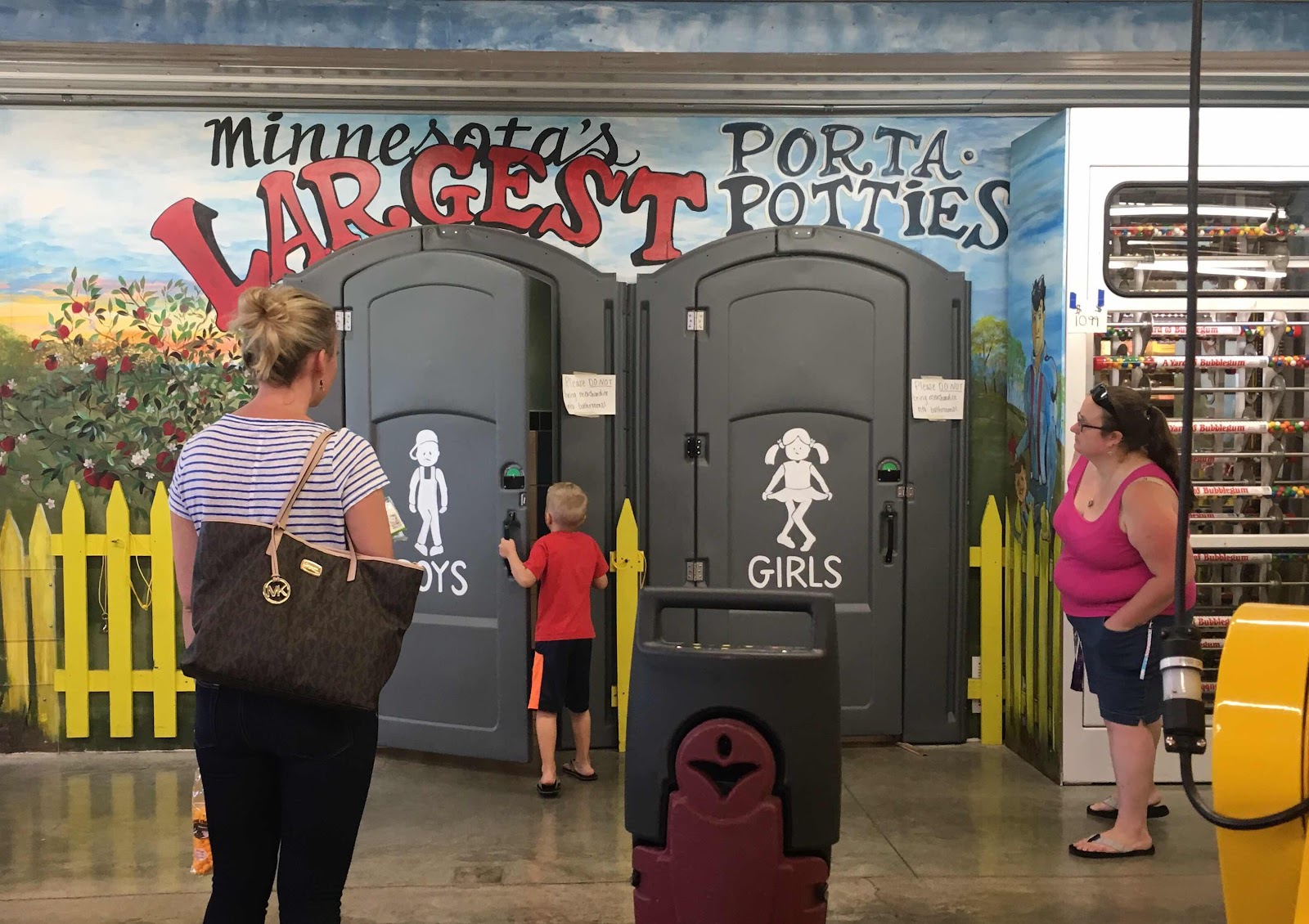
And of course, the largest PortaPotties in Minnesota. 


 When you open the door — 
Surprise! 

You walk into an immaculate full-fledged restroom instead of a portable toilet.  


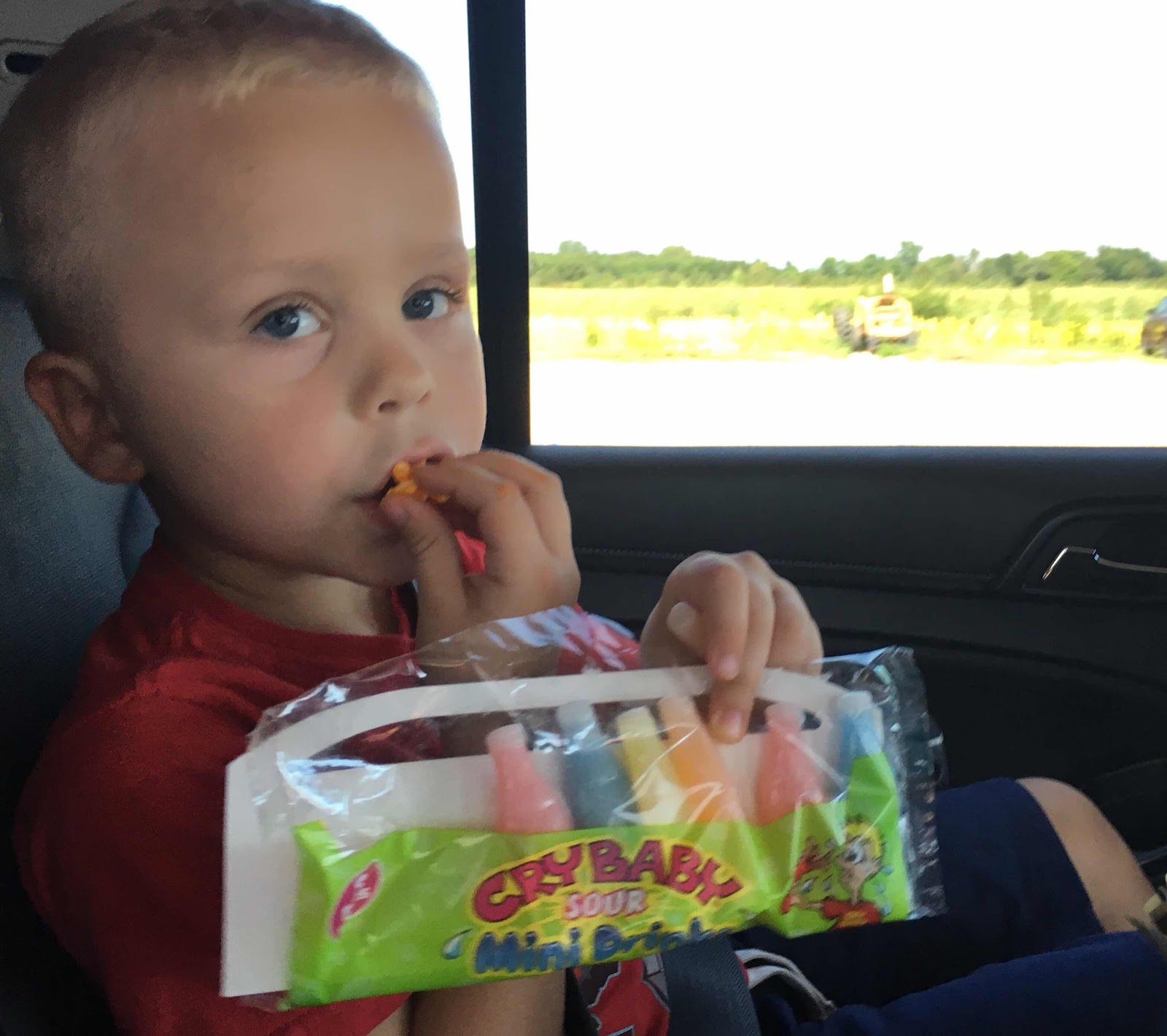
   Mason was on a mission, ignoring all the other treats to find his favorite candy, and he found it.   I loved these little wax bottles when I was a child, too, and was amazed to see they are still around.  Of course, they were filled with root beer flavor then. Mason enjoyed every last one of his on the trip home!  

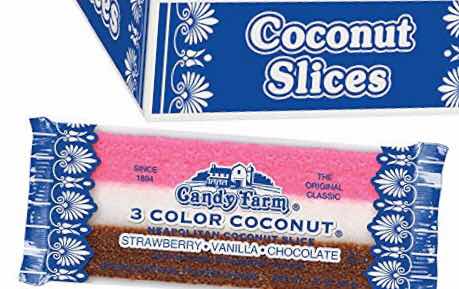
  Well, I’m sure you are wondering about my choice in all this world of sugar!  I bypassed chocolate from every corner of the world for my favorite “penny candy” when I was a child.  


  Who knew it was even still made! I seem to remember you could also get them in the shape of watermelon slices.

  I’m curious.  What was your favorite choice when you were say, seven or eight?  (And feel free to reminisce over more than one!)


Monday, August 5, 2019

Can’t You Sea?

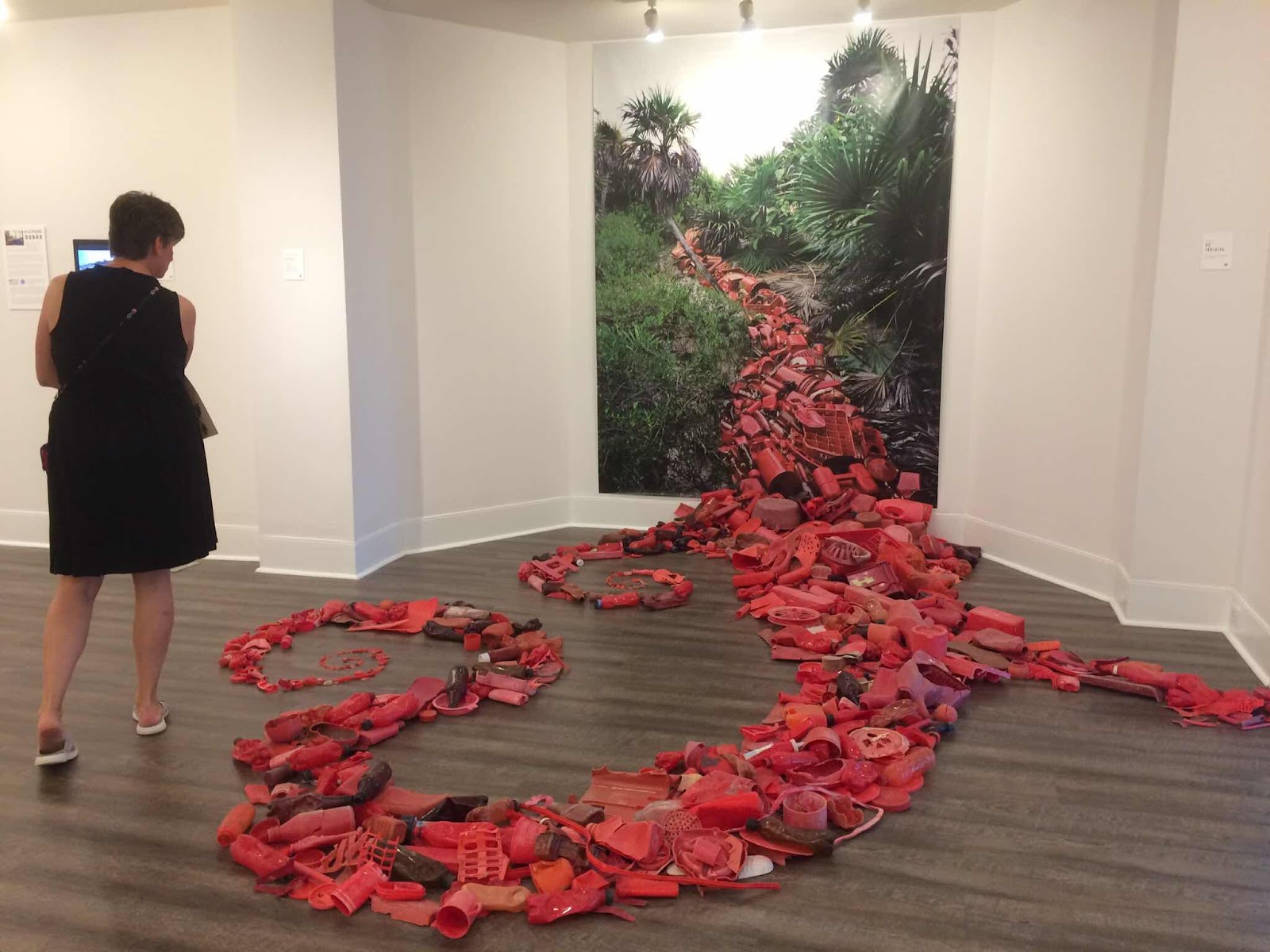
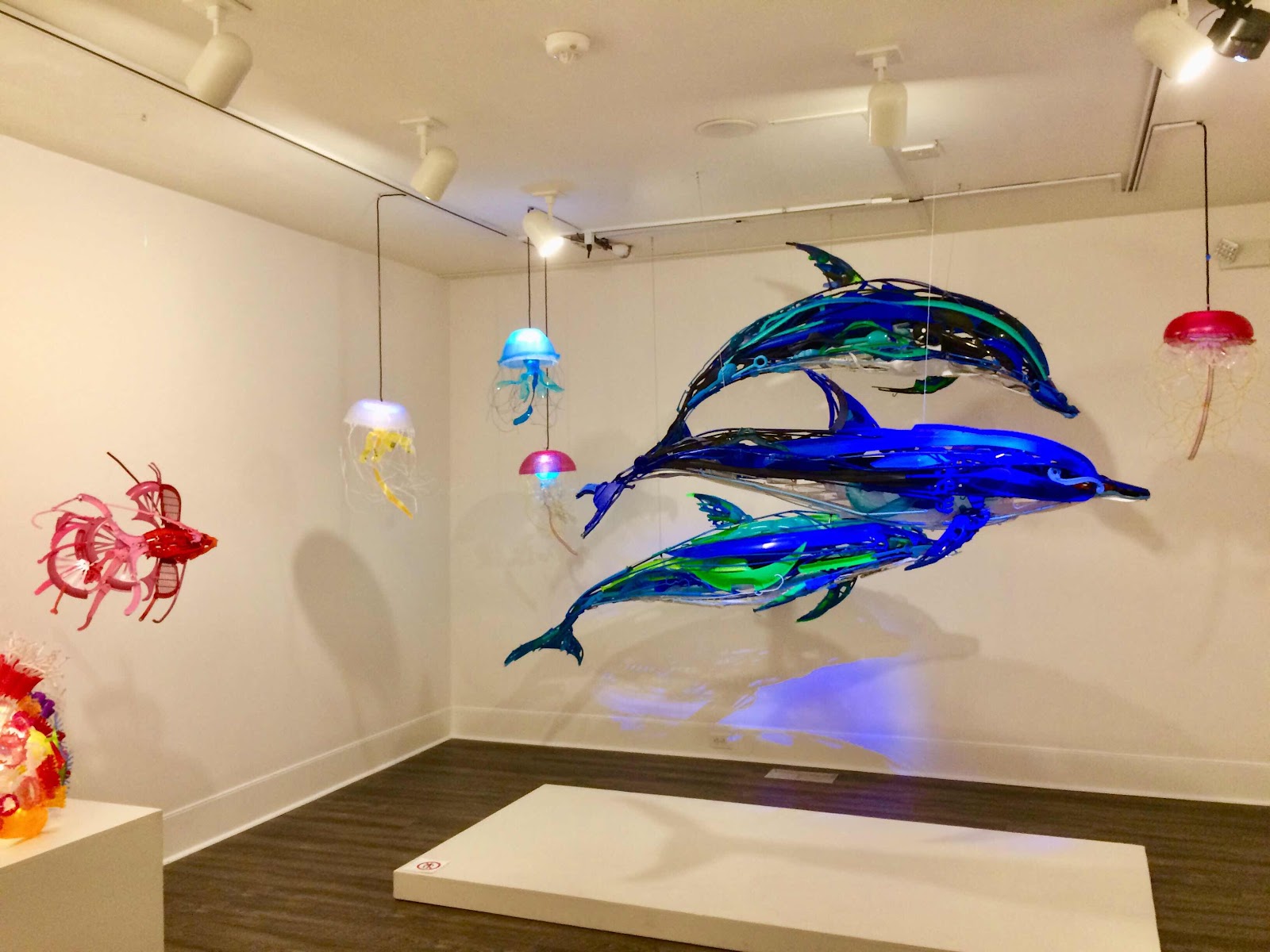
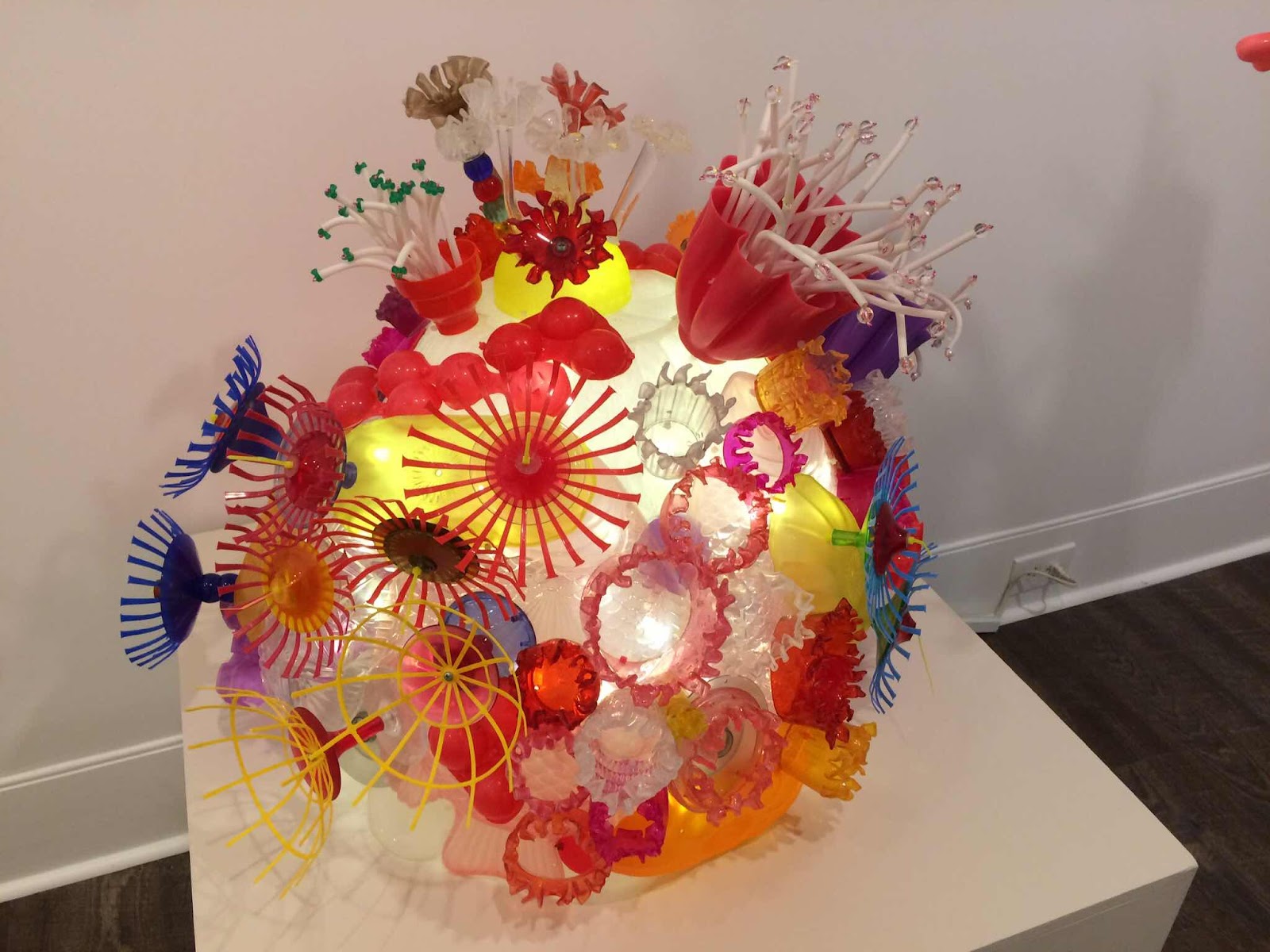
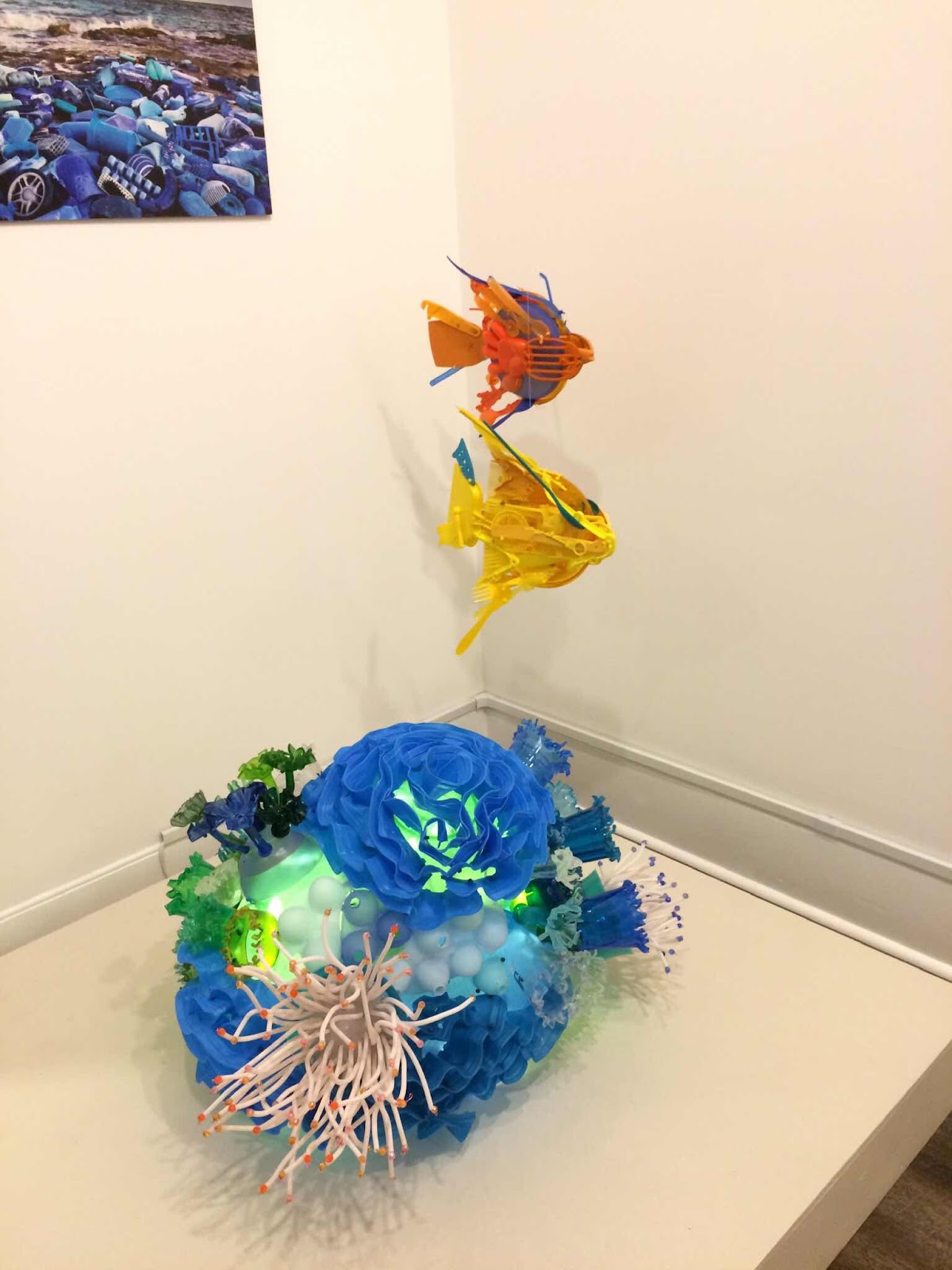
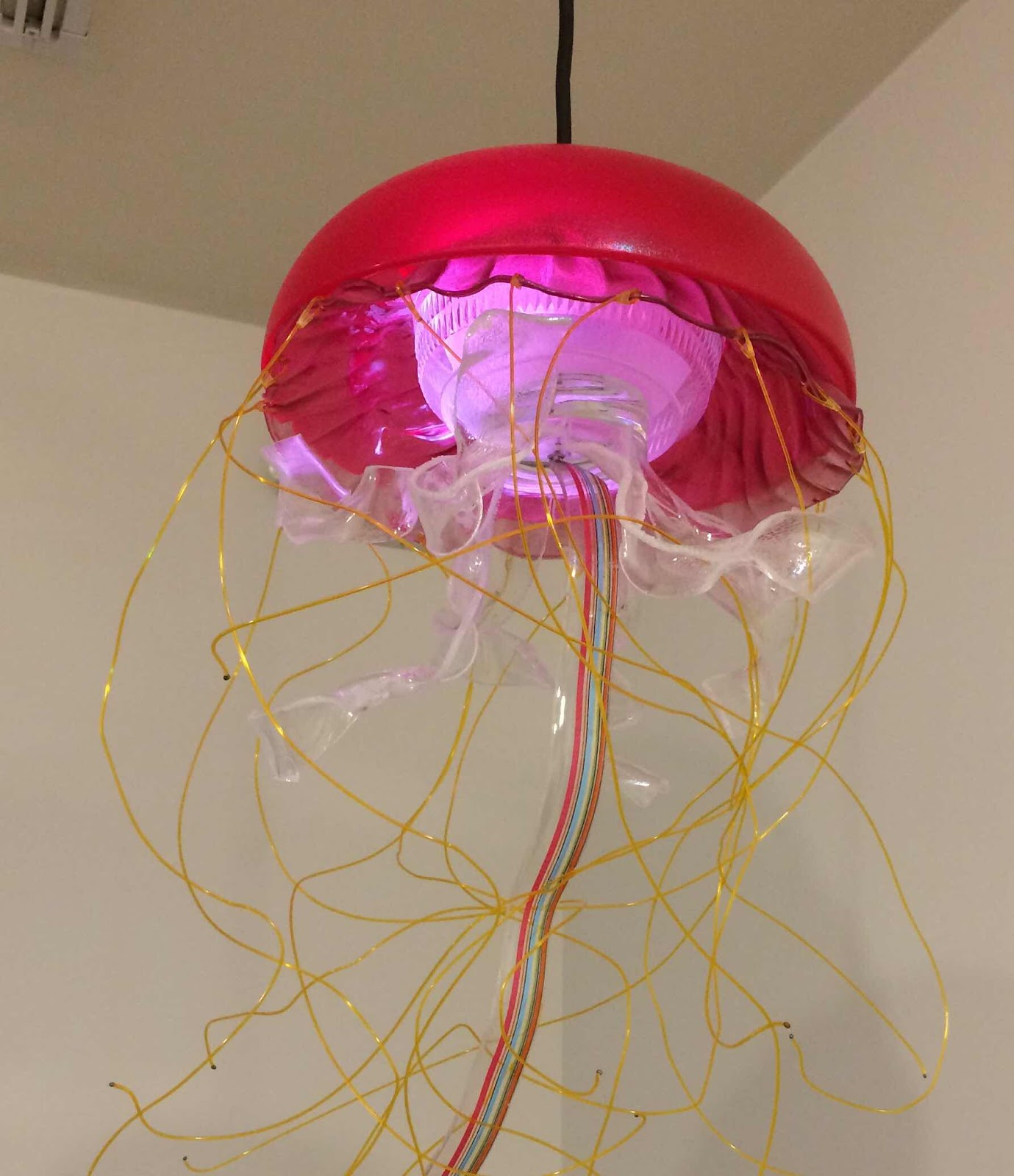
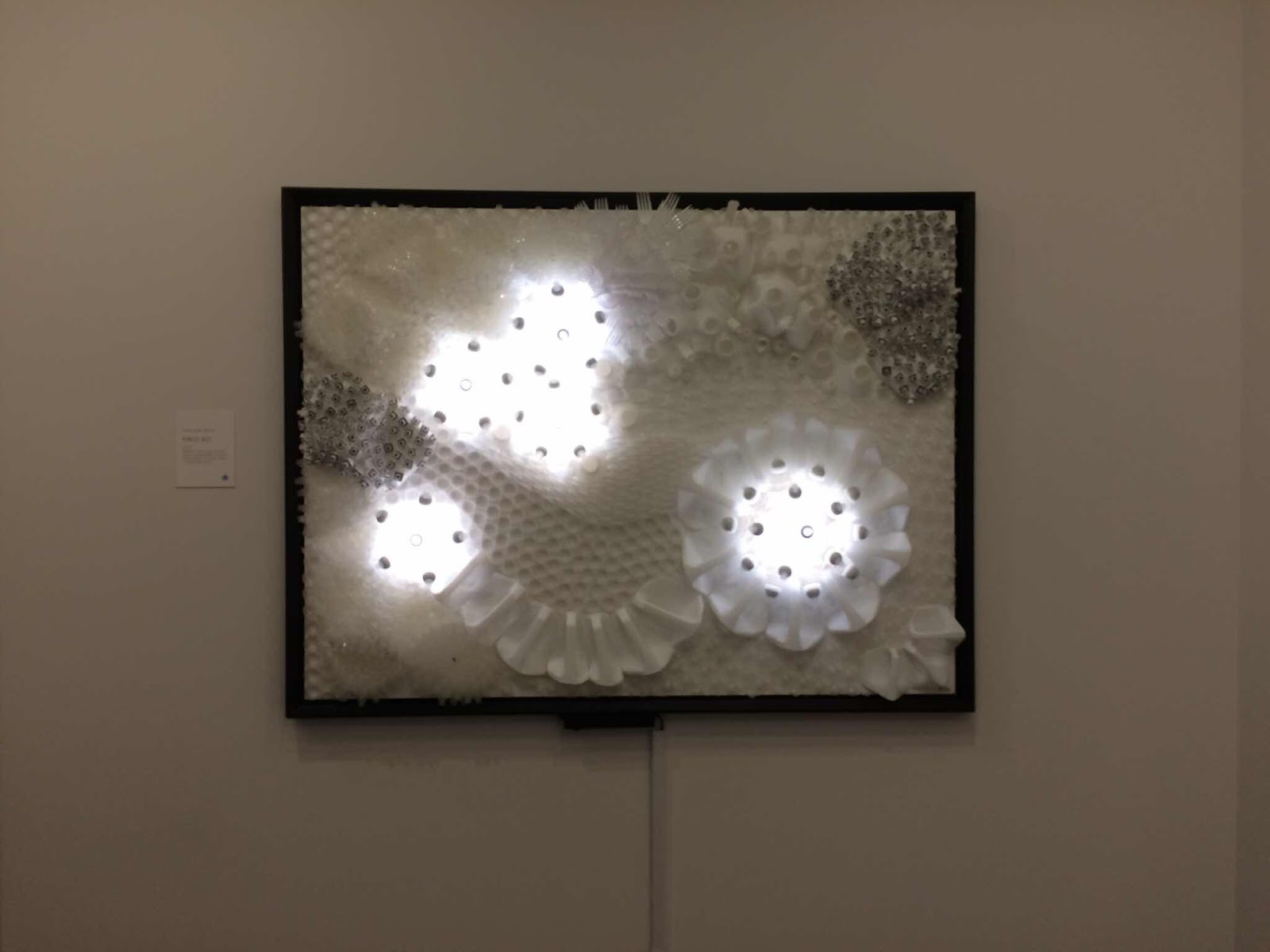
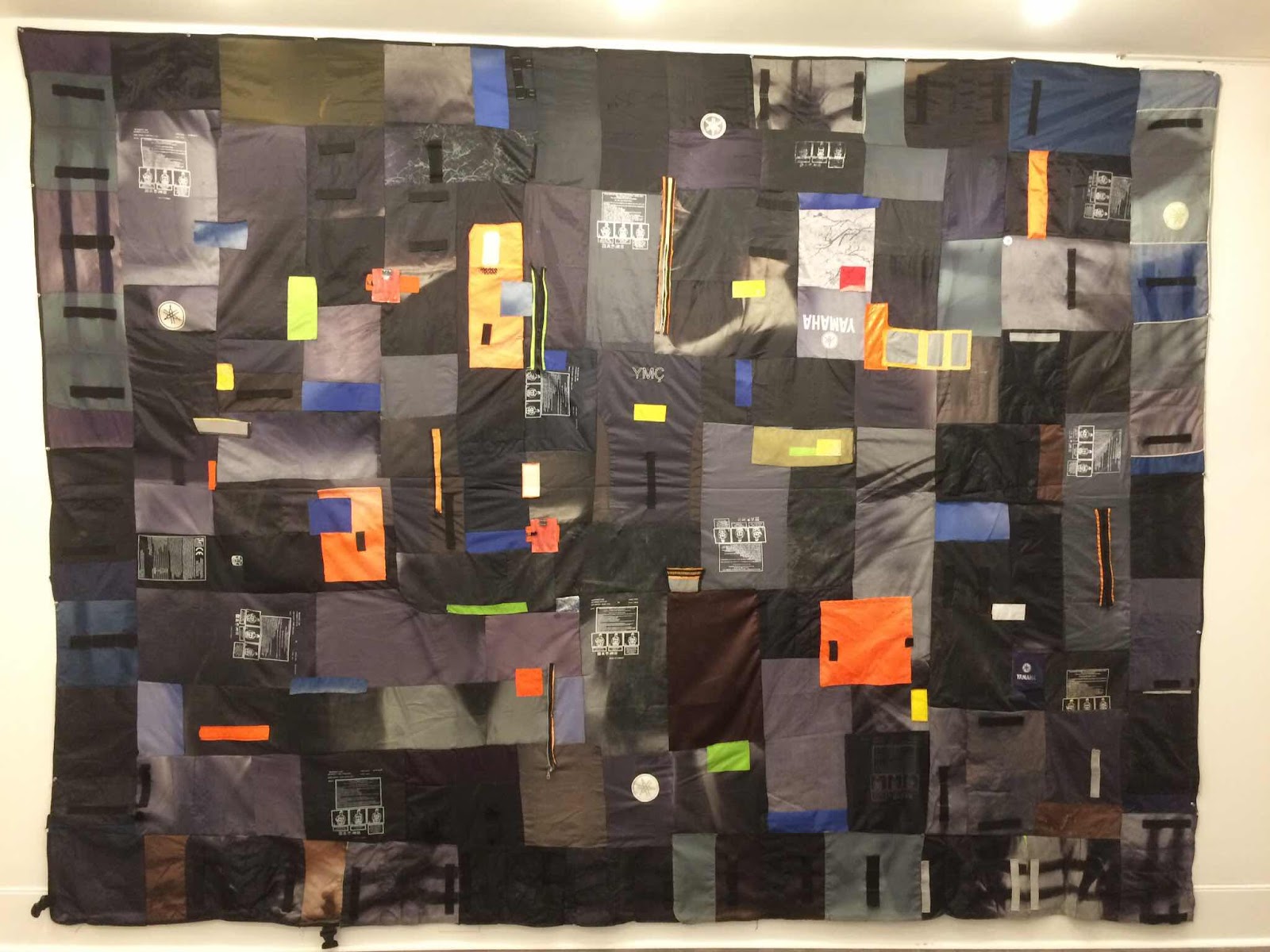
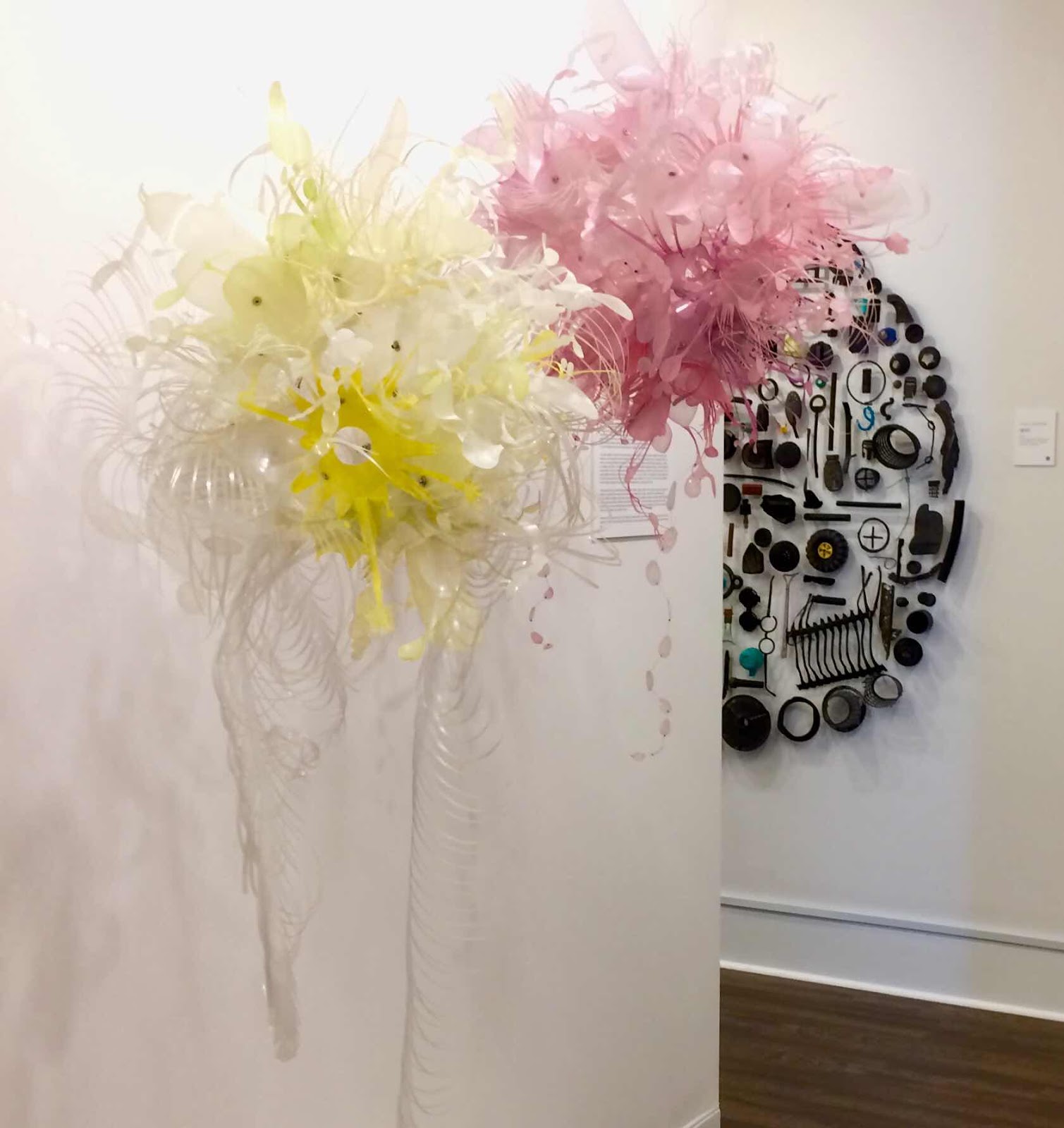
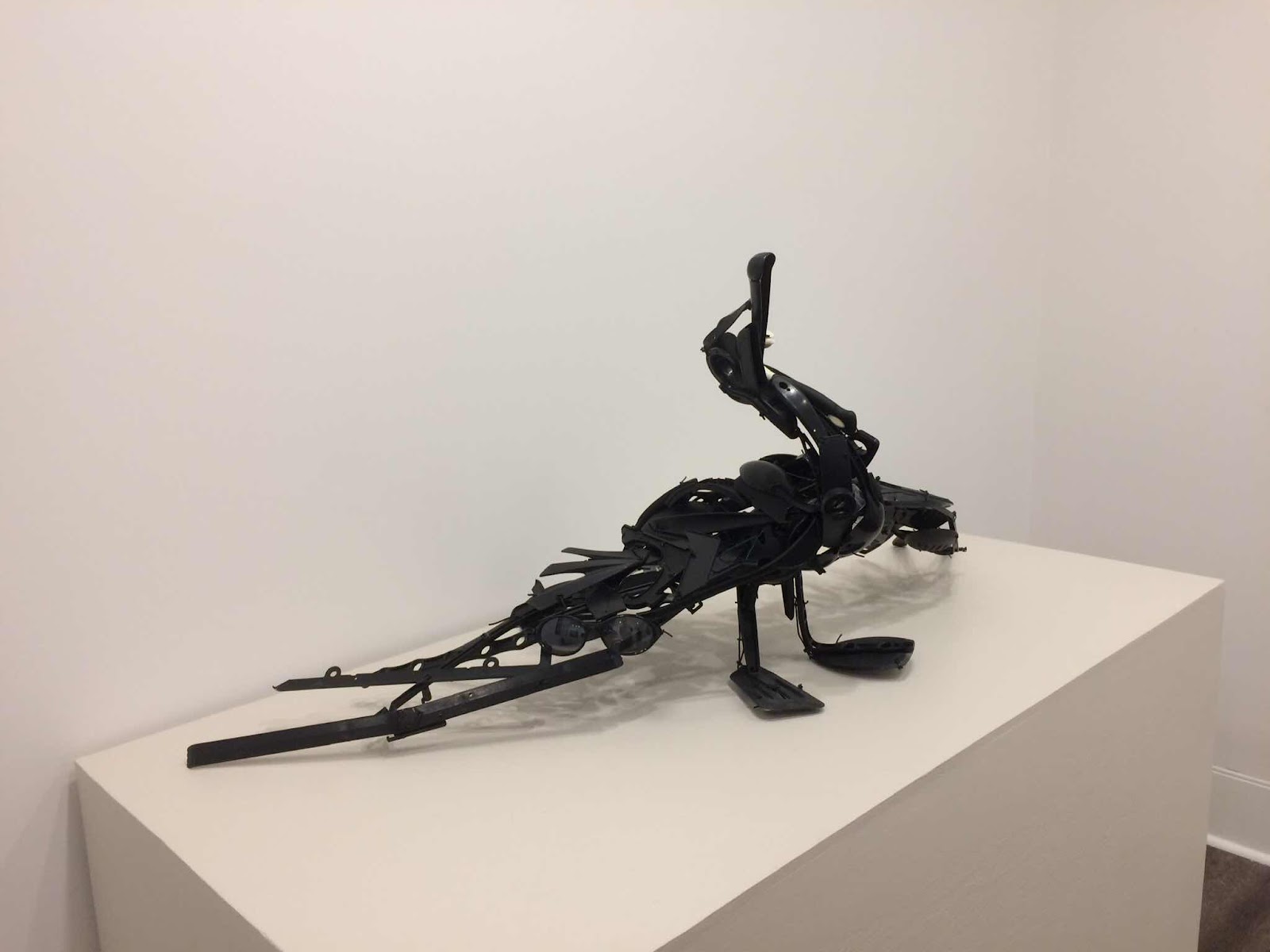
  Last month was designated “Plastic Free July” across the world to increase awareness of the plastic pollution overwhelming our planet and to get people thinking about making changes in how we use it.  Our local art museum had an interesting exhibit, Can’t You Sea?, of art made from discarded plastic, along with special speakers and events, and a free month-long continuous showing of the documentary film, A Plastic Ocean.
  Here are some of our favorite pieces from the gallery.
                                             Washed Upgarbage collected from Sian Ka’an, Mexico.


Japanese artist Sayaka Ganz (reclaimed plastic cable ties, LED wire, plastic ware)


Ganz


Ganz


Ganz


Kirkland Smith (computer keys, milk jugs, bottle caps, contact lens cases, plastic forks)


Pamela Longobardi (recovered life vests from Lesvos, Greece)


Aurora Robson (plastic debris, rivets, washers, tinted polycyclic, mica powder)


Ganz (plastic objects, wire, and cable ties)

  If you haven’t seen the documentary, A Plastic Ocean, I highly recommend it.  If you watch it, I don’t think you will ever think of plastic the same way again!

A brief description:

  The film starts off as an adventure to photograph the blue whale, the largest animal on the planet.  What journalist Craig Leeson encounters on his quest is shocking — a dangerous layer of plastic debris and filth covering the world’s seas and beach communities that were recently pristine. He is joined by diver Tanya Lee and for the next four years they explore and document the mess caused by decades of plastic use. 

  Perhaps the most frightening aspect of plastic debris is that it degrades into micro fibers which enter the food chain and ground water and from there move into human beings. Micro fibers are already being found present in much of what we ingest (from beer to seafood) and are made up of chemicals that alter normal function of the human endocrine system, impair brain development, cause learning disabilities, and increase incidences of cancers.

  Below is a trailer for the film.  You can watch the complete documentary on line.